WHEN SCARS (!) BECOME ART
The When Scars (!) Become Art project aims to increase the capacity of civil society organisations and institutions by upgrading their work and tools for working with young Roma, refugees, and migrants. This includes a specific focus on developing a robust framework of work to improve understanding for inclusion and mental well-being interventions among young people, ultimately striving to transform the psychological scars (!) of systemic exclusion into the collective art of resilience, agency, and mandatory lived social inclusion for marginalized youth across Europe.
Art, dialogue and non-formal education for inclusion
The Scars of Systemic Exclusion
Across Europe, young people from marginalized communities—including Roma, Sinti, refugees, and migrants—face systemic exclusion that goes far beyond missed opportunities. It is a profound challenge to their mental wellbeing and their very sense of belonging.
The challenge is rooted in history and institutionalized racism. Roma youth carry the burden of centuries of discrimination, antigypsyism, and collective trauma. Refugees and migrants face severe xenophobia, loss, and the stress of forced displacement. This constant fight for acceptance results in a high prevalence of stress factors, anxiety, depression, and low self-esteem.
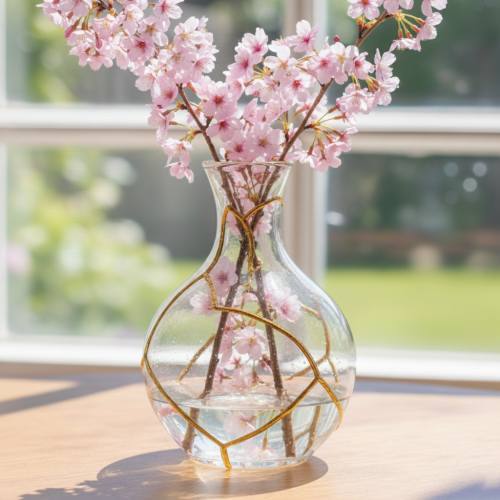
While some young people are welcomed into society easily, others are forced to constantly defend and prove themselves. Discrimination does not just harm job prospects; it harms the sense of being someone who matters. The resulting emotional and psychological marks—often seen as “scars” or personal failures—are in fact responses to injustice and the denial of a safe space to belong.
From Scars to Art
The project When Scars (!) Become Art directly addresses the crisis of exclusion and belonging by pursuing a holistic, three-pronged strategy designed to turn the emotional consequences of discrimination into resilience and voice.
First, at the foundational level, we are conducting a 12-month qualitative and quantitative joint research to provide rare, scientific evidence on the interrelation between mental wellbeing and inclusion in young Roma and refugees/migrants, informing all subsequent actions.
Second, at the practice level, we are translating this research into tangible resources by creating an innovative Toolkit and the I Am the Art! Mental Health App, both tailored to the cultural and religious needs of our target groups. These resources will be used to train 30 youth workers and directly benefit over 600 young people through local activities, thereby increasing self-confidence and their sense of belonging.
Finally, at the policy level, we are focused on driving structural change: using our findings to formulate a joint policy recommendation paper and six national policy papers. These evidence-based guidelines will be actively submitted to key Ministries and cross-sectoral institutions to assess and reform existing policies, ensuring that the components of mental health and inclusion are integrated into youth policies across Europe.
The entire project is thus committed to moving beyond temporary initiatives toward true institutional transformation.
Project at a Glance
Programme
Erasmus+ / Cooperation Partnership
Project Duration
30 months (2023–2026)
Partner Countries
🇩🇪 Germany 🇹🇷 Turkey 🇬🇷 Greece 🇷🇴 Romania 🇲🇰 North Macedonia 🇷🇸 Serbia
Target Groups
Civil Society Organisations, youth workers, educators, marginalized young people
Key Focus Areas
Wellbeing, Inclusion, Belonging, Fighting Against Discrimination
Outputs
Research Reports, Policy Recommendations, A Mobile App, Handbook and Toolkit, Art pieces by youth