The Project
The When Scars (!) Become Art project moves beyond traditional integration models to address the crisis of belonging and mental wellbeing faced by marginalized youth across Europe. We believe that exclusion leaves marks—the “scars”—but through recognition and support, these experiences can be transformed into a powerful sense of self and agency—the “Art.”
The project is a vital transnational initiative committed to achieving structural Inclusion and fostering mental wellbeing among young Roma, refugees, and migrants. Our foundational philosophy asserts that ‘Belonging heals’, driving our ultimate mission: to dismantle systemic exclusion by transforming it into a durable framework of structural inclusion. Our work is distinctively innovative because we uniquely combine rigorous research on these two distinct, yet similarly marginalized, target groups; significantly capacitate partner organizations and youth workers through new scientific methods; co-create culturally sensitive digital and physical resources in collaboration with the youth themselves; and strategically target high-level policy change through a robust partnership of frontline NGOs, academic universities, and mental health experts across Europe.
Aim and Objectives
Our core aim is to capacitate civil society organizations and institutions across partner countries by elevating their expertise and providing a research-backed framework of work. This framework focuses on deepening the understanding of inclusion and mental well-being interventions to ultimately improve the lives and foster the active citizenship of young Roma and refugees/migrants.
Objectives
To analyze the interrelationship and impact of exclusion on mental wellbeing by conducting a 12-month qualitative and quantitative study involving 100 young people, 15 NGOs, and 5 mental health centers across 6 partner countries, ensuring that lived experience informs structural change.
To develop 2 innovative Tools (Toolkit and App) informed by our research, designed for 30 youth workers to use in their daily practice with young Roma and refugees/migrants by 2026, enabling the transformation of “scars” into voice and expression.
To train 30 youth workers, upgrading their knowledge and skills on mental well-being interventions by utilizing the developed innovative tools and methods, thereby strengthening the local ecosystem of support.
Target Groups
Young people (18–30), particularly those facing discrimination, social exclusion or emotional challenges
Youth workers, educators and facilitators working in non-formal education and youth support services
Artists and cultural practitioners interested in socially engaged, participatory and community-based art
Indirectly, the project also benefits local communities, organisations and policy stakeholders working in the fields of youth, culture and social inclusion.
Partnership and Countries
The project is implemented by a diverse partnership of organisations from different European countries, ensuring a strong transnational perspective and exchange of practices.
- Germany
- Romania
- Greece
- Türkiye
- North Macedonia
- Serbia
Each partner contributes local expertise, research insights and artistic practices, enriching the overall impact of the project.
Work Packages
The project is structured into interconnected work packages that guide its implementation from research to dissemination and impact.
WP1 – Project Management
This WP ensures the successful administrative, financial, and strategic coordination of the project across all partner countries for the entire duration.
- Kick-off Meeting: Initial coordination meeting held in Berlin to align partners and establish project structures.
- Monthly Coordination Meetings: Regular virtual meetings to monitor progress, address challenges, and ensure cohesive implementation.
- Quality Assurance (QA): Implementation of continuous internal and external quality control measures for all outputs.
- Financial Management: Systematic tracking, monitoring, and financial reporting across the partnership.
- TPMs: Transnational Partner Meetings held periodically for in-depth, face-to-face planning and evaluation.
WP2 – Research and Policy Recommendations
This WP is dedicated to generating new, evidence-based knowledge and immediately translating it into actionable policy recommendations for structural change.
- Document Analysis of Policies: Reviewing existing national and European policies related to youth, inclusion, and mental health.
- Quantitative and Qualitative Analysis: Conducting the 18-month joint field research, including data collection from 120 young people and experts, culminating in National Reports for Field Research.
- National Expert Panels: Hosting in-country panels to validate research findings and tailor recommendations to specific national contexts.
- International Expert Panel: Hosting an international panel to synthesize findings, ensuring transnational relevance and rigor.
- Policy Recommendations: Finalizing and producing the Joint Policy Recommendation Paper and six National Policy Recommendation Papers tailored for high-level institutions.
WP3 – Resource Development
This WP focuses on the co-creation of the two innovative, culturally sensitive tools designed to put the research findings into practical use for youth workers.
- Resource Development Seminar: Hosting a collaborative seminar in North Macedonia (NMK) to conceptualize the pedagogical framework and content.
- Conceptualization and Producing Phase: Designing the detailed structure and content for the Toolkit and the I Am the Art! Mental Health App (including features like the Forum and cultural sensitivity checks).
- Tool Development Finalization Seminar: Hosting a final seminar in Turkiye to test, refine, and formally finalize both the Toolkit and App for launch.
WP4 – Capacity Building
This WP is dedicated to strengthening the frontline youth sector by training practitioners and providing direct therapeutic intervention through local activities.
- Training of Youth Workers (TC) on Inclusion: Delivering a dedicated Training Course in Romania focused on structural inclusion, anti-racism, and addressing systemic discrimination.
- Training of Youth Workers (TC) on Mental Wellbeing: Delivering a dedicated Training Course in Serbia focused on mental health support, resilience, and effective use of the developed tools.
- Local Activities in Partner Countries: Implementation of 60 local activities by the trained youth workers, directly reaching over 600 young Roma and refugees/migrants to practice the methods and boost their sense of belonging.
WP5 – Dissemination and Advocacy
This WP ensures the project’s visibility, long-term sustainability, and commitment to implementing the policy recommendations across Europe.
- Website and Social Media Accounts: Establishing and maintaining platforms for communication, resource sharing, and public engagement.
- Dissemination Strategy: Developing a strategic plan to maximize the reach and impact of the research and tools across the sector.
- National Dissemination Meetings: Organizing in-country events to share findings, present the tools, and advocate for their local adoption.
- Final Seminar: Organizing a high-level closing event to share successes and lobby for the adoption of the project’s methodologies and policy recommendations.
Project Timeline & Milestones
A detailed, step-by-step overview of the “When Scars (!) Become Art” project’s 3-year journey from foundational research to policy implementation.
Project Start: 01.12.2023
Project End: 30.05.2025
Project Kick off meeting
19 - 20.03.2024
The kick-off meeting for the “When Scars (!) Become Art” project brings together partners in Berlin from 19–22 March 2024 to review the project’s aims, work packages, management structure, and dissemination strategy. Participants engage in introductory activities, receive an overview of the project’s objectives, and examine detailed plans for research, resource development, and capacity-building activities, including the design of quantitative and qualitative research, creation of a toolkit and app, and local art-based outputs. Budget rules, financial reporting, and communication procedures are clarified, and partners agree to use Google Drive, email, and a WP group for coordination, with regular online meetings scheduled.
The consortium also outlines dissemination steps, including creating a project Instagram page, preparing website content, and compiling national stakeholder databases. Key decisions include holding a researchers’ meeting in early April, finalizing project management documents, and potentially extending the project period if needed.
Document Analysis of policies
April 2024 - September 2024
In this initial research phase, each project partner carries out an in-depth document analysis to examine how national and EU-level policies address the social inclusion and mental wellbeing of young Roma, migrants, and refugees. The teams review legislation, national strategies, statistical data, academic studies, and grey literature to map the current knowledge, identify institutional priorities, and highlight gaps in existing support systems.
This work results in six national reports, each outlining the country-specific policy landscape, available evidence, and areas where current measures fall short of addressing the needs of marginalized young people. The comparative findings reveal common challenges across Europe, such as limited access to mental health services and inconsistent inclusion frameworks.
The insights gained from this phase form the evidence base for the next steps of the project and will directly support the drafting of policy recommendations in later stages, ensuring that future proposals are grounded in solid research and reflect the realities faced by the target groups.
Data Collection through questionnaire and interviews
September 2024 - March 2025
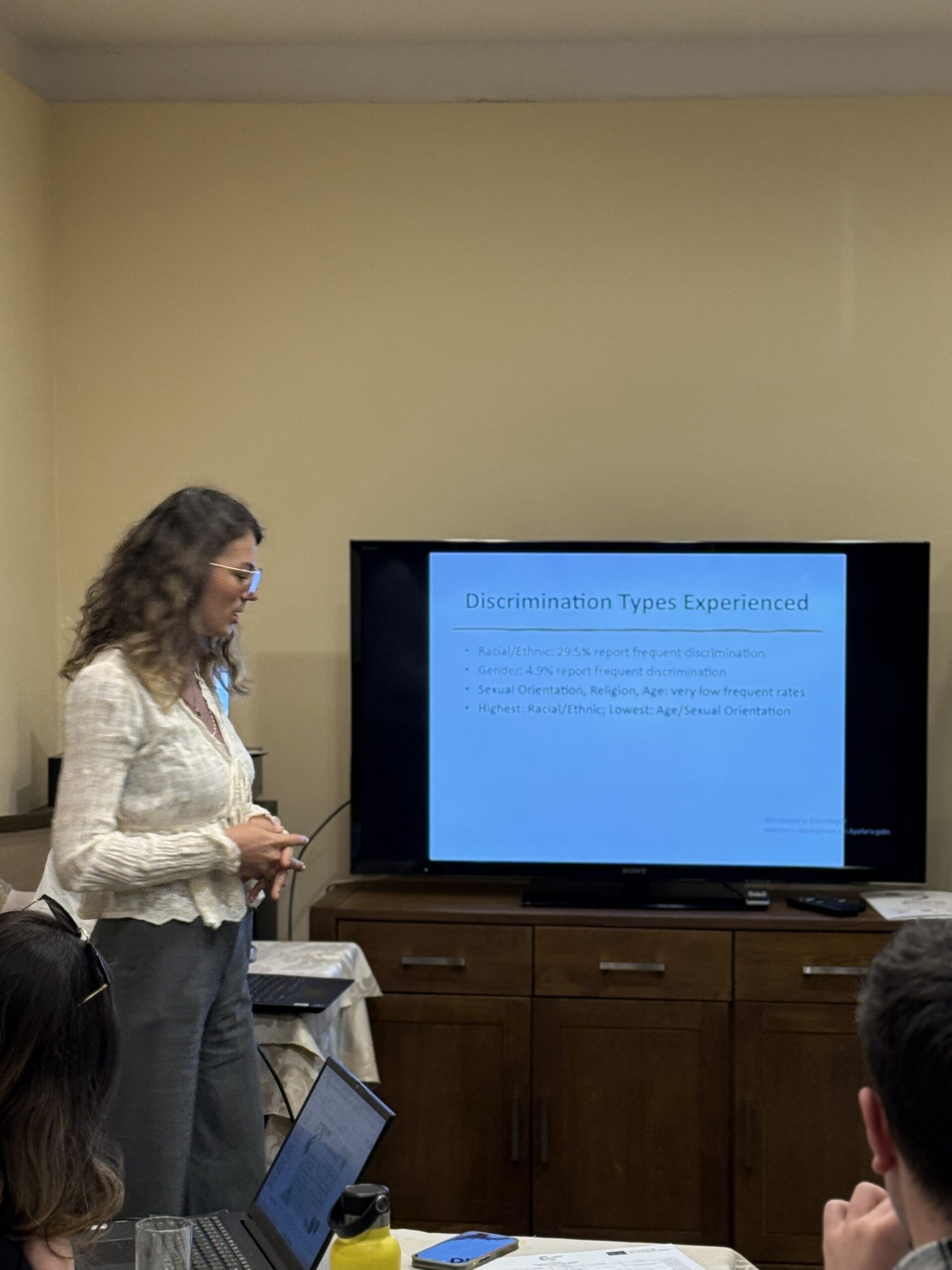
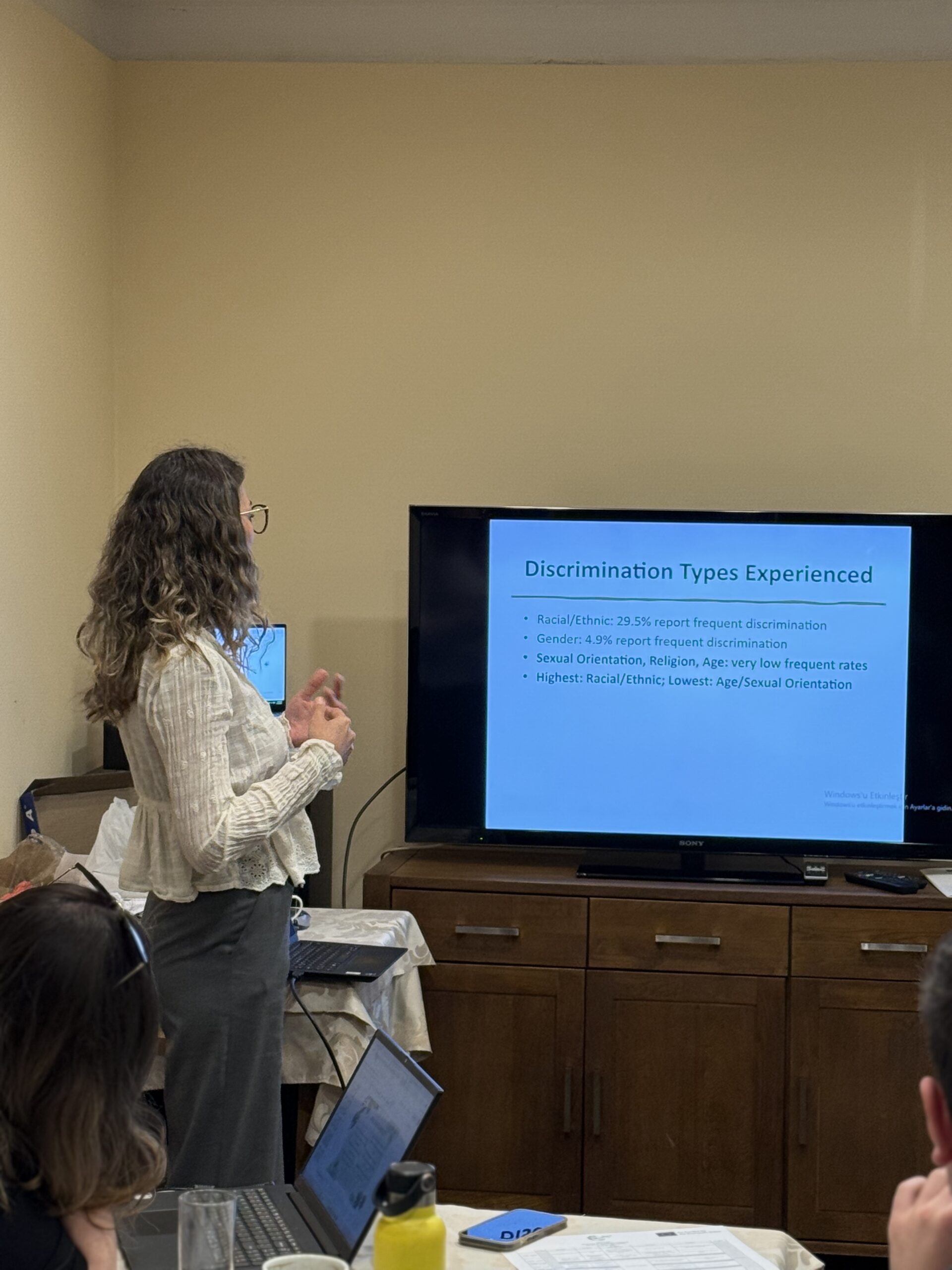
In the second phase of the research, partners conduct extensive fieldwork to gather first-hand data from young Roma, migrants, refugees, and professionals working with them. Each country collects at least 100 questionnaires with young people to explore their experiences of mental wellbeing, discrimination, resilience, and social inclusion. In addition, partners carry out at least 20 in-depth interviews with youth workers, mental health professionals, and other experts to gain qualitative insights into the challenges faced by marginalized youth and the gaps in existing support systems.
This mixed-methods approach allows us to combine statistical trends with personal narratives, providing a comprehensive picture of the realities faced by the target groups. The results from this phase feed directly into the development of the project’s toolkit and mobile app, as well as the upcoming policy recommendations.
Data analysis
April - June
During this phase, all partners analyze the data gathered from questionnaires and interviews to understand the mental wellbeing, social inclusion, and everyday challenges experienced by young Roma, migrants, and refugees. Each country applies its own appropriate analytical methods to interpret the quantitative data—ranging from descriptive statistics to additional statistical tests—while the qualitative interviews are coded to capture recurring themes, needs, and expert perspectives.
This combined analysis provides a rich and multidimensional understanding of the realities faced by the target groups, highlighting both shared experiences across countries and context-specific issues. The findings serve as the evidence base for the joint research report and directly guide the development of the toolkit, mobile app, and policy recommendations in the next phases of the project.
Read more...
Resource Development Seminar
April
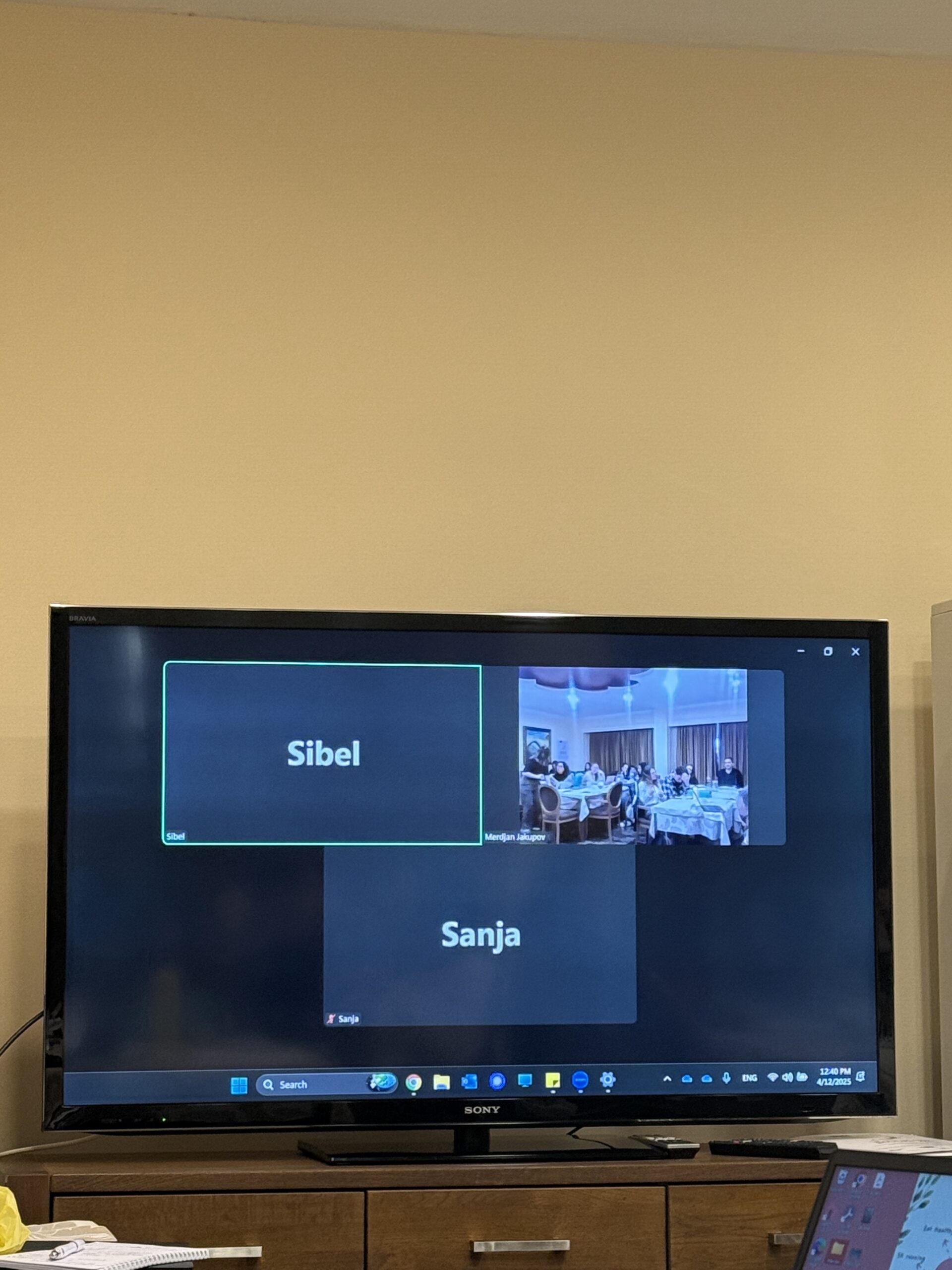
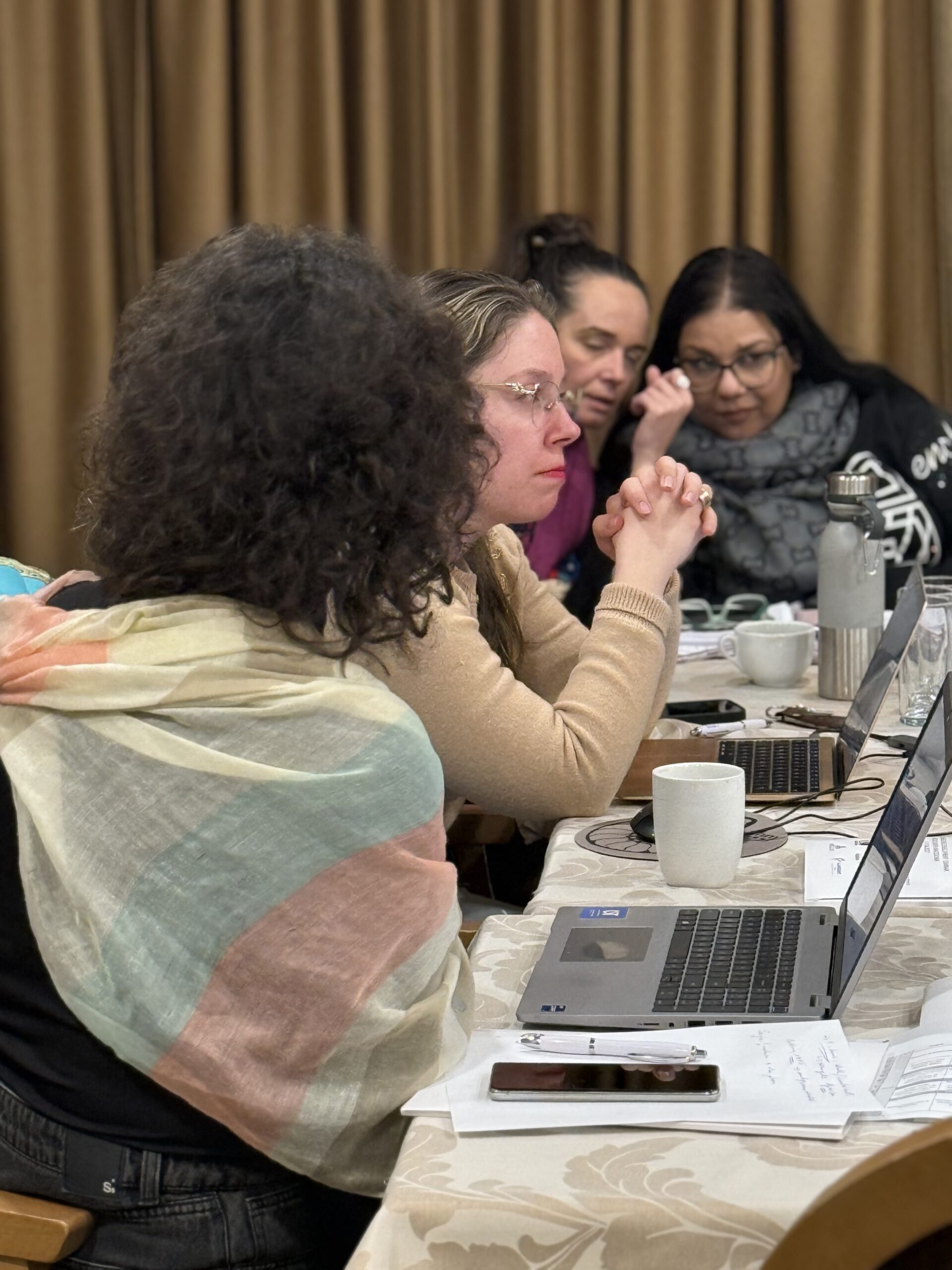
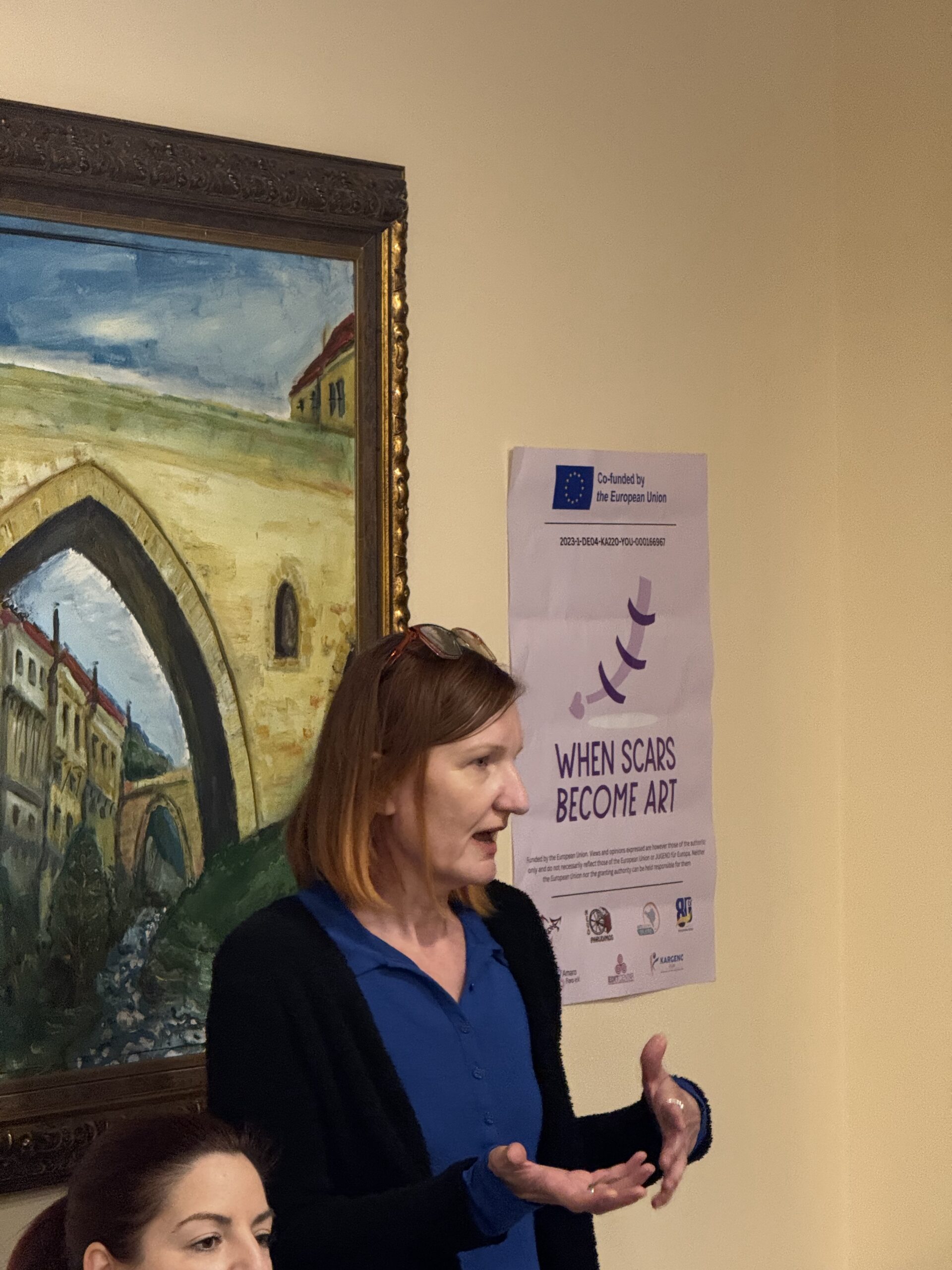
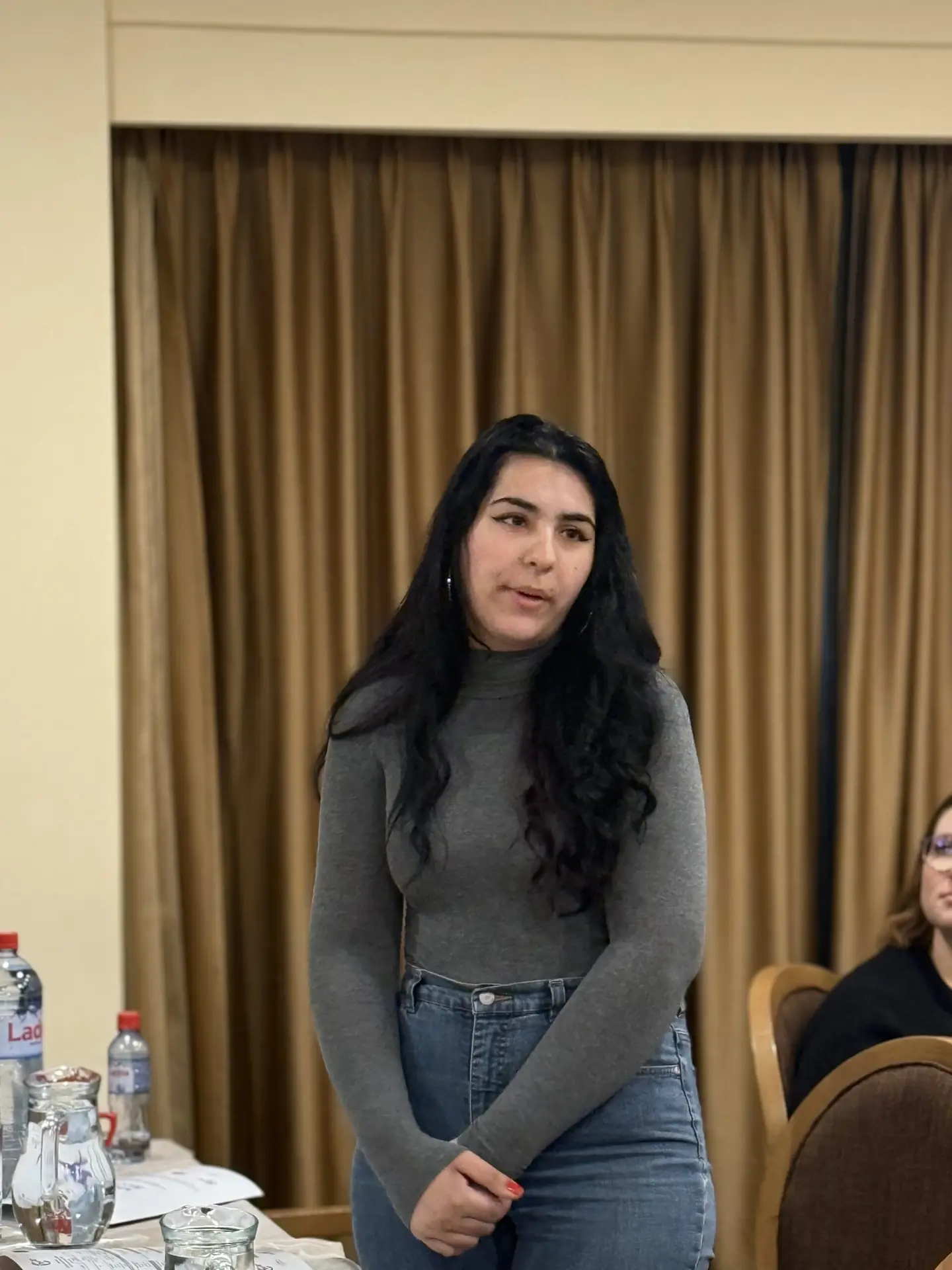
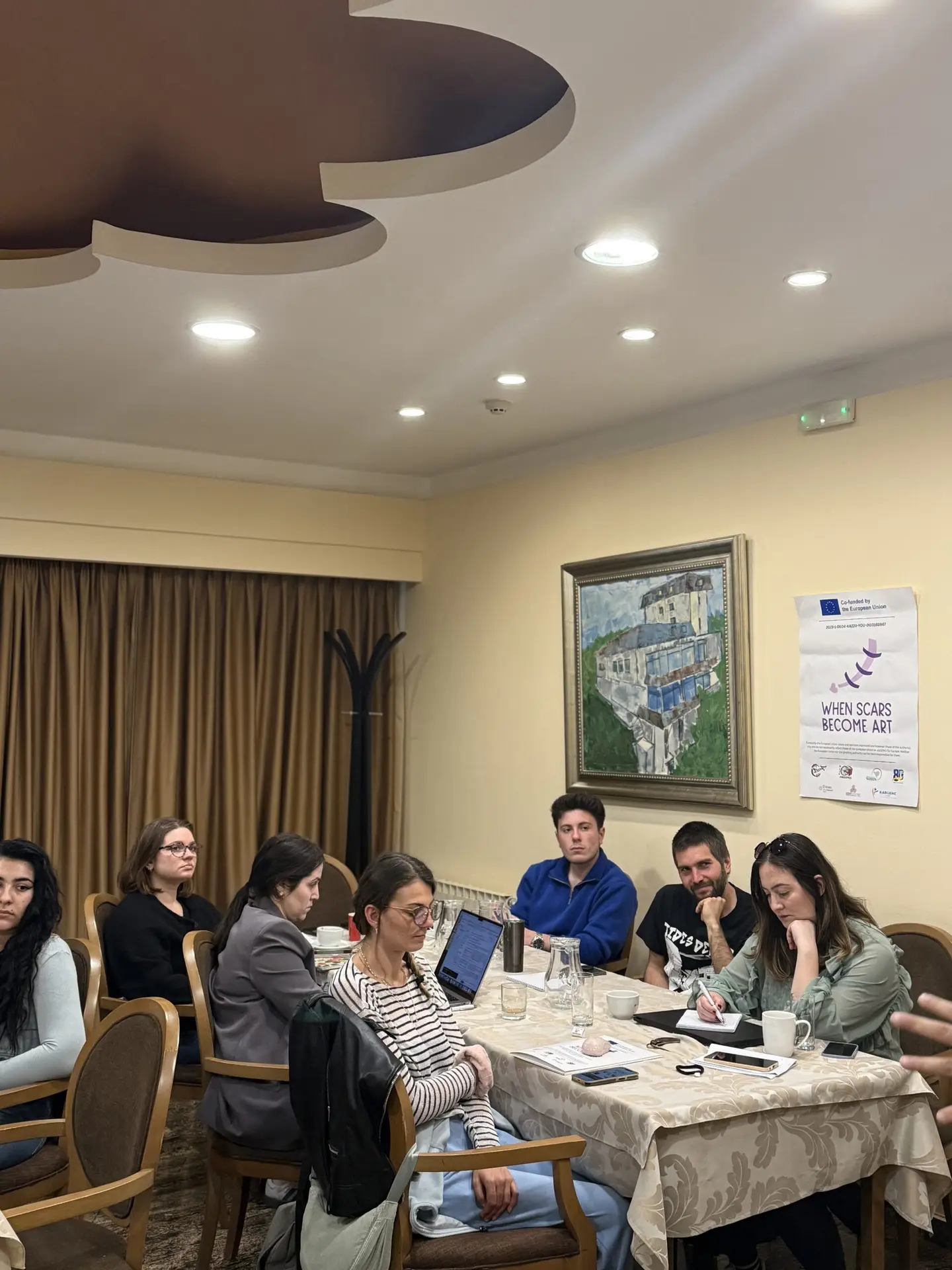
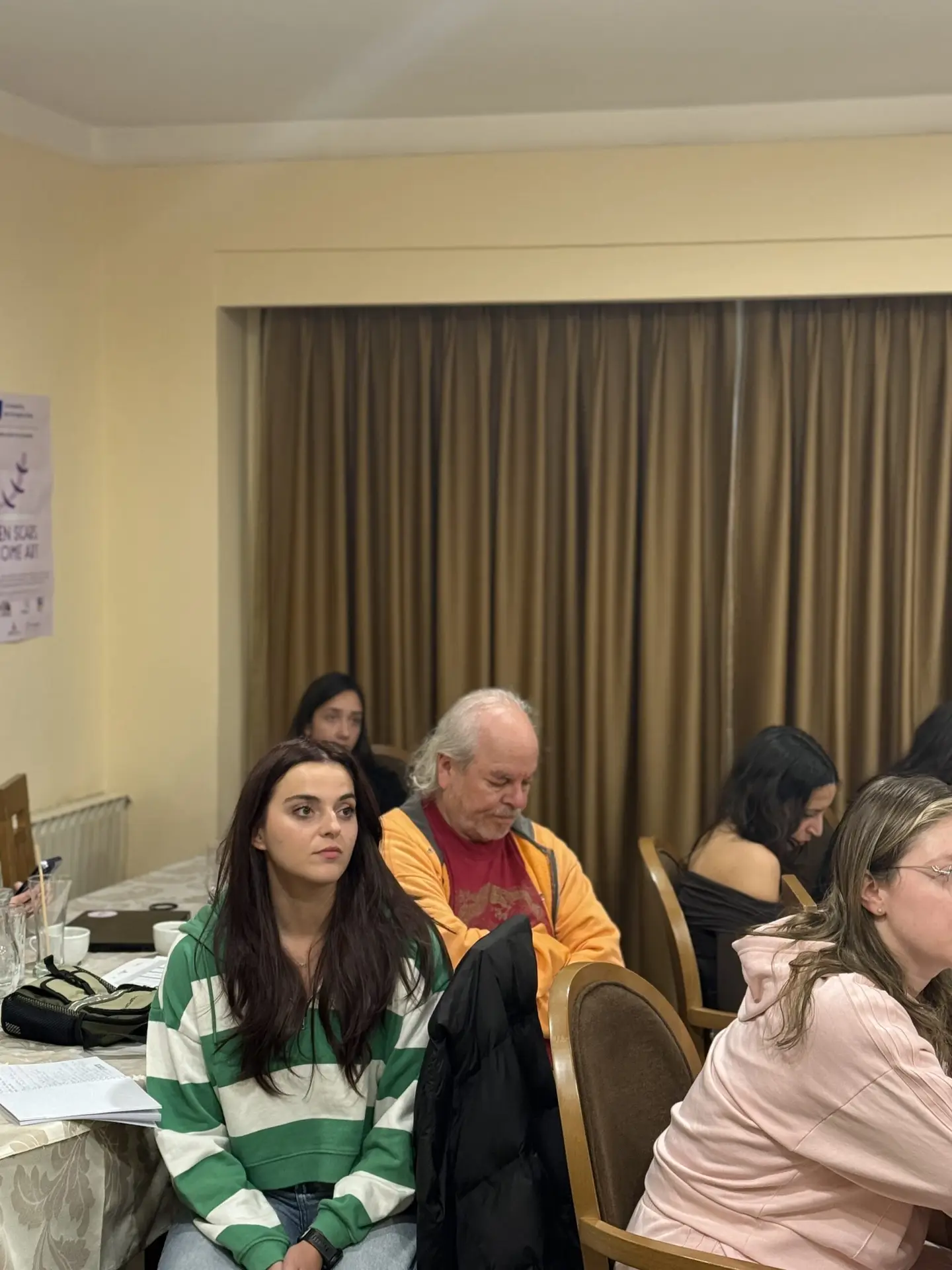
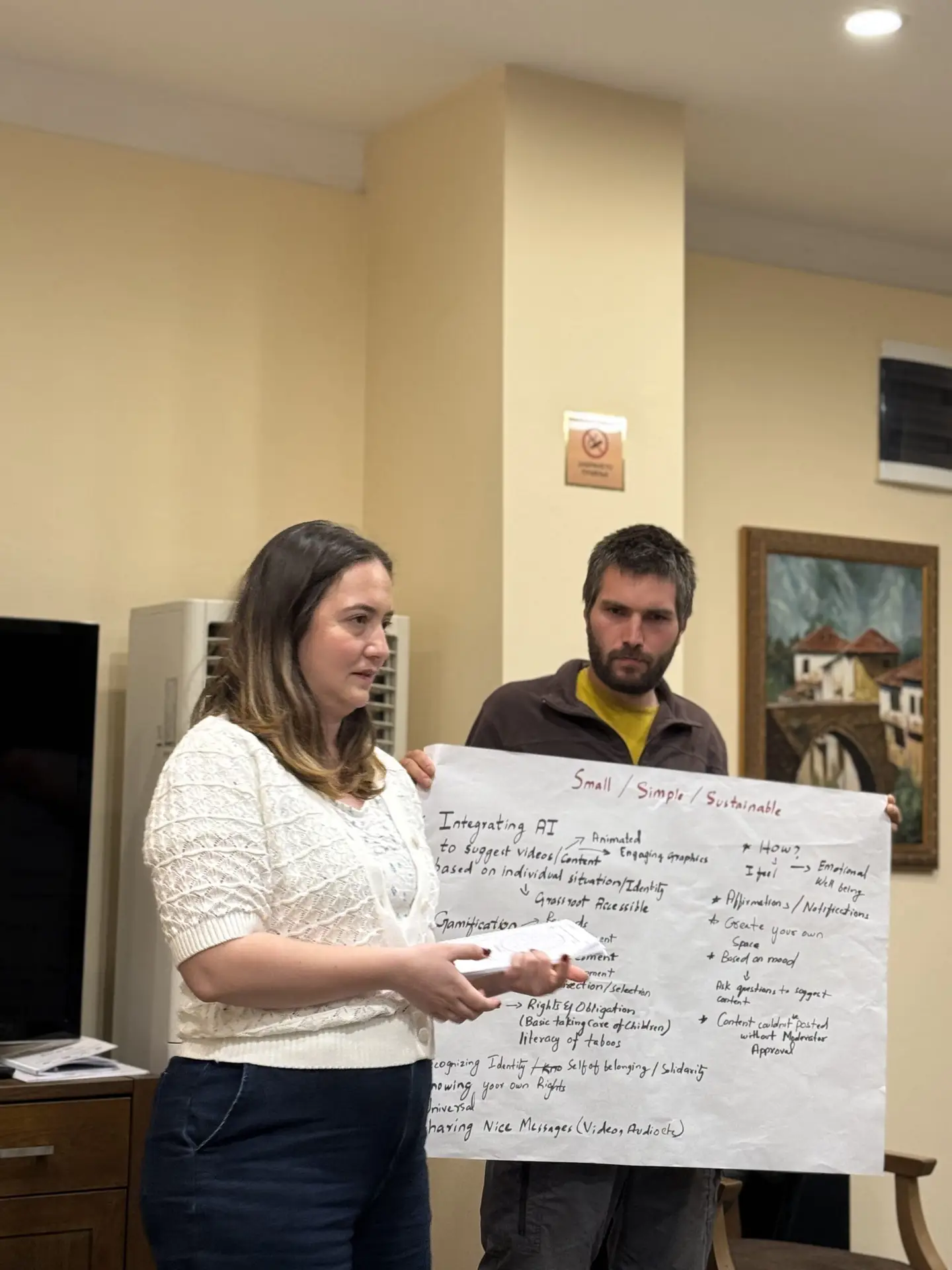
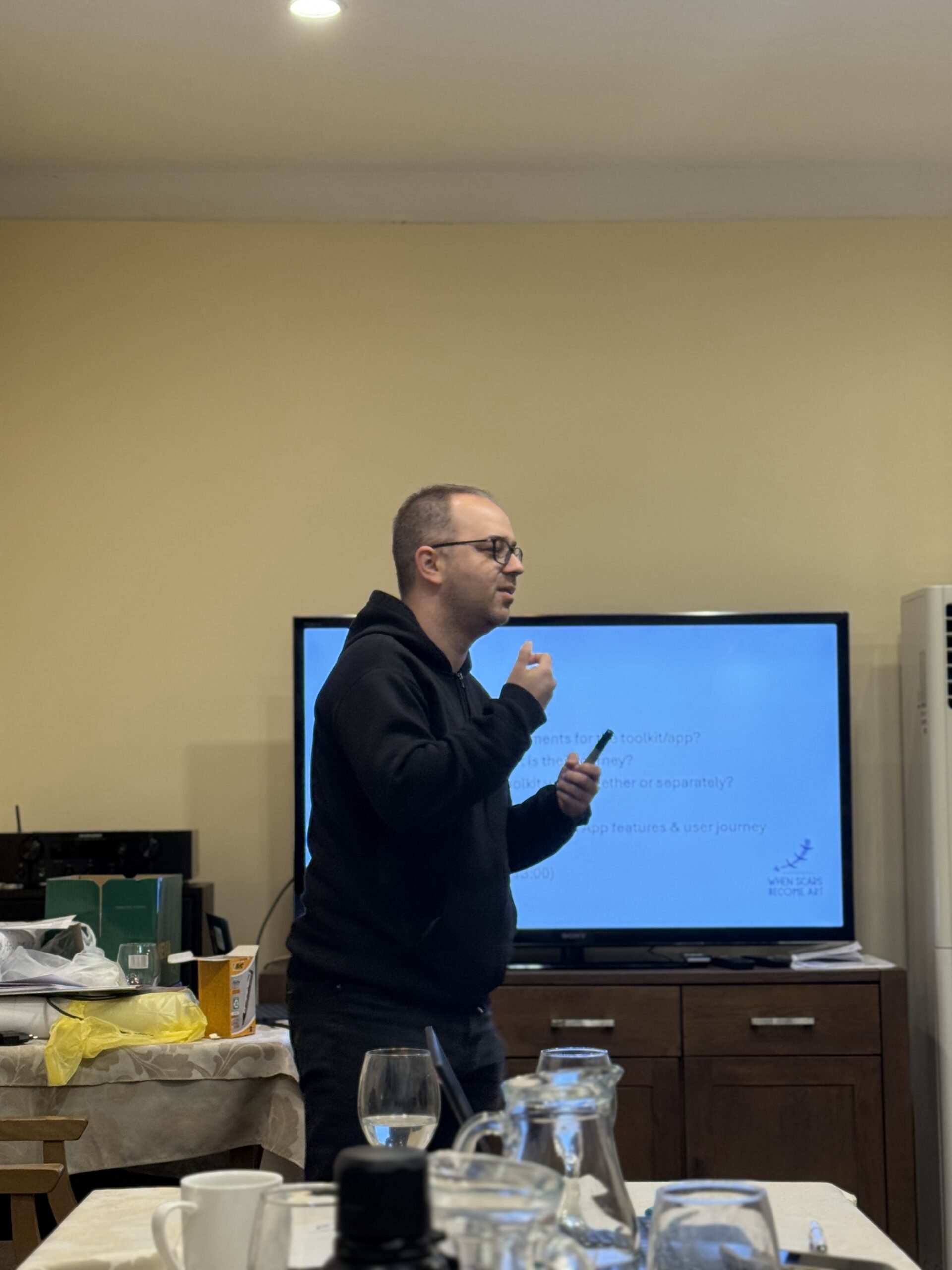
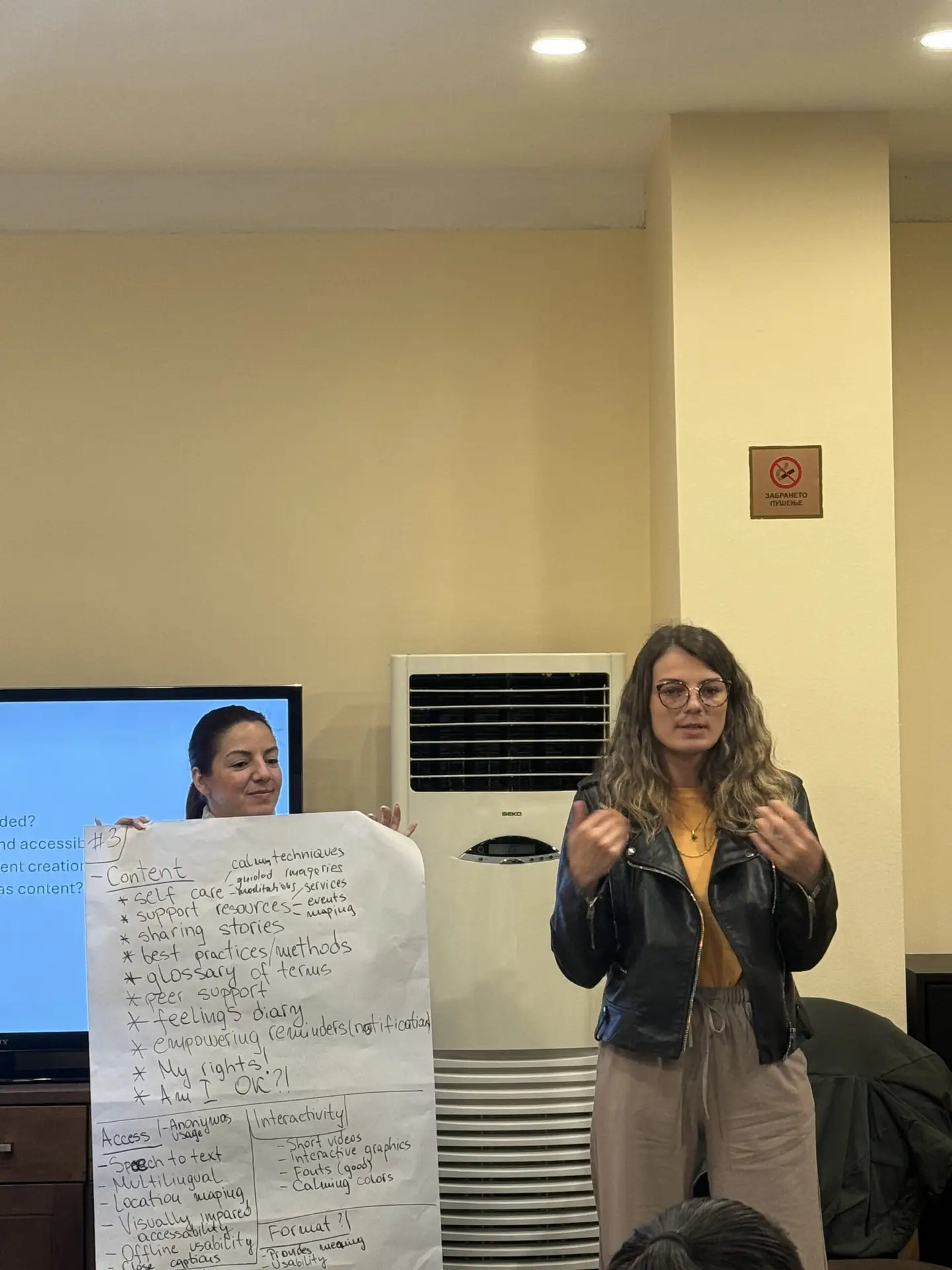
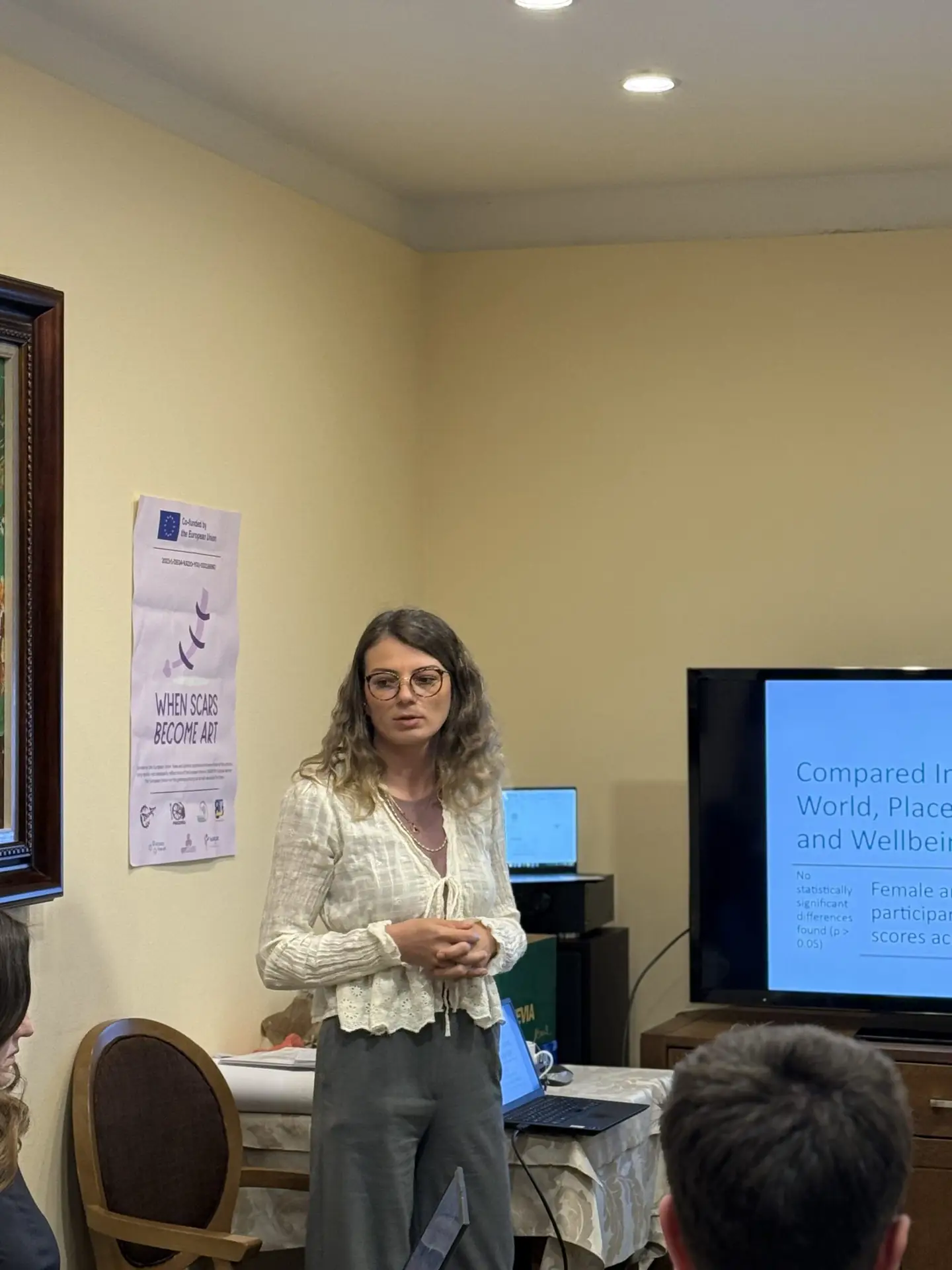
The Resource Development Seminar brings together project partners to translate the research findings into practical, youth-friendly resources. Across five days, participants explore the key needs identified during the research phase and work together to shape the foundations of the project’s two main products: the toolkit and the mobile app. Through group discussions and collaborative design sessions, partners define priority themes such as community support, safe spaces, emotional connection, and accessibility for young people.
A field visit to a youth mental health organization provides additional inspiration, offering real-life examples of effective youth engagement and support. By the end of the seminar, two dedicated working groups are established—one for the app and one for the toolkit—with clear roles, responsibilities, and timelines. The seminar closes with a shared action plan and structured follow-up process to guide the next steps of resource development.
Resource development kick off
May
The Resource Development Seminar brings together project partners to translate the research findings into practical, youth-friendly resources. Across five days, participants explore the key needs identified during the research phase and work together to shape the foundations of the project’s two main products: the toolkit and the mobile app. Through group discussions and collaborative design sessions, partners define priority themes such as community support, safe spaces, emotional connection, and accessibility for young people.
A field visit to a youth mental health organization provides additional inspiration, offering real-life examples of effective youth engagement and support. By the end of the seminar, two dedicated working groups are established—one for the app and one for the toolkit—with clear roles, responsibilities, and timelines. The seminar closes with a shared action plan and structured follow-up process to guide the next steps of resource development.
Read more...
TC of Youth Workers on inclusion in Romania
June
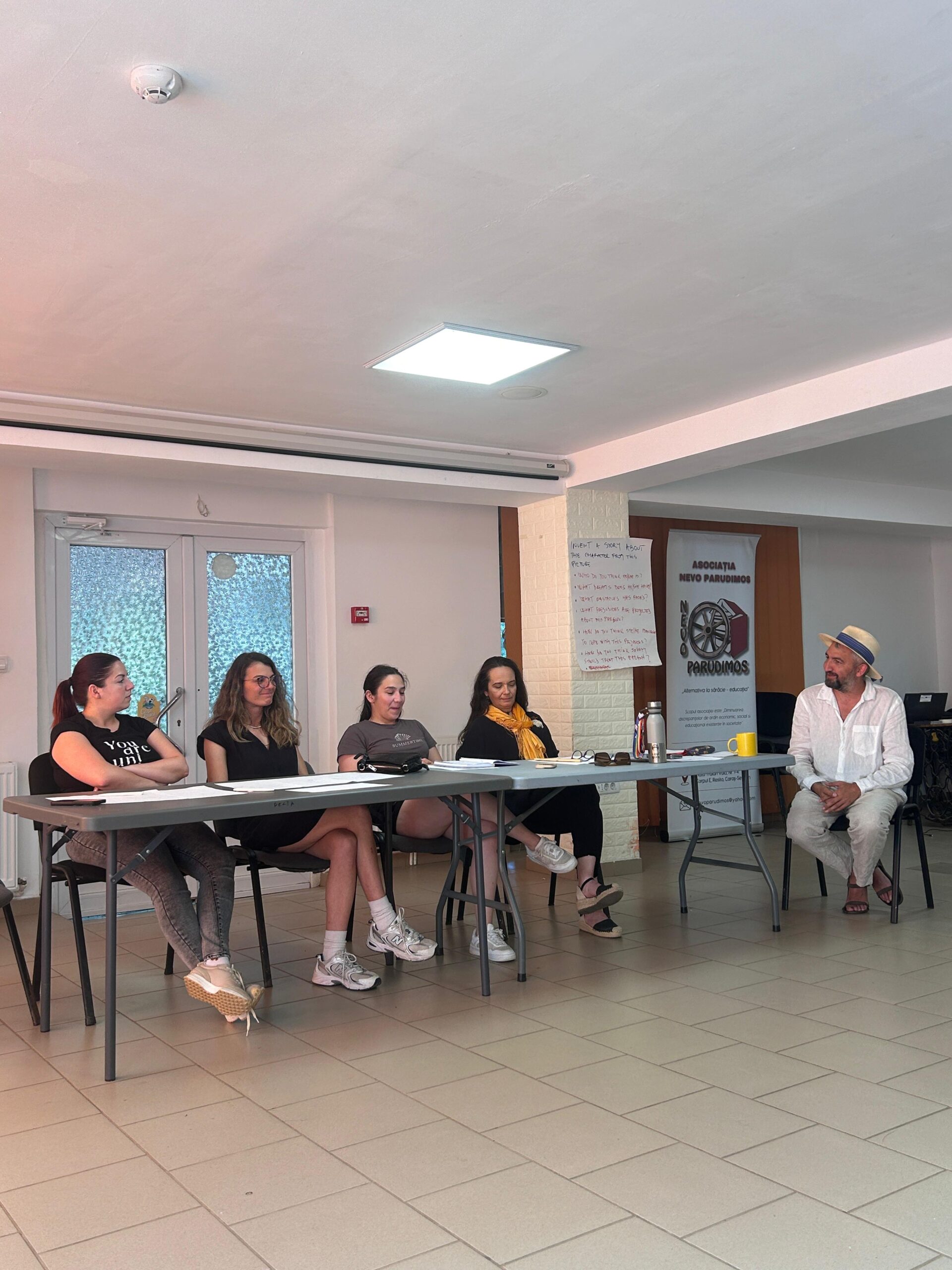
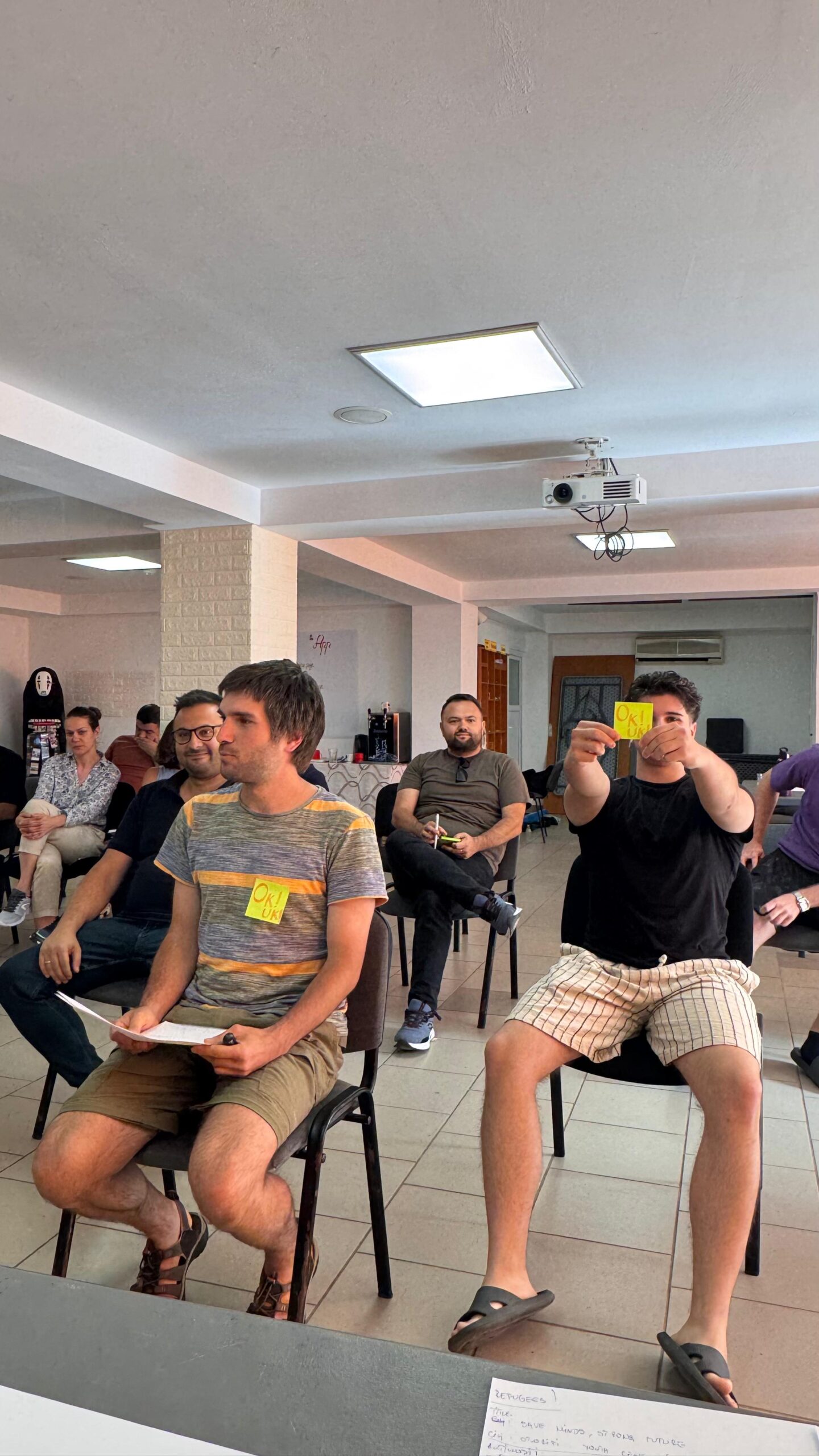
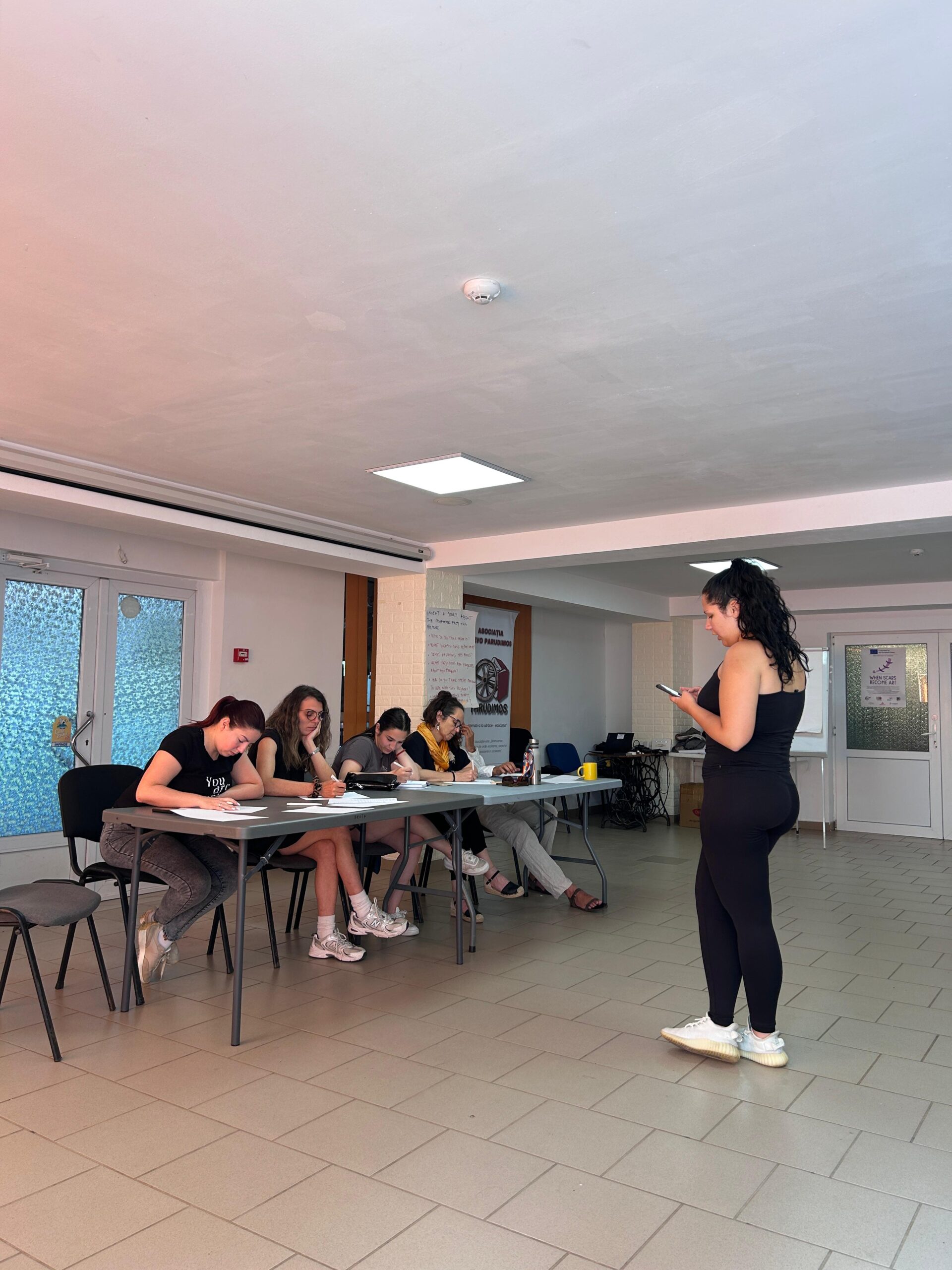
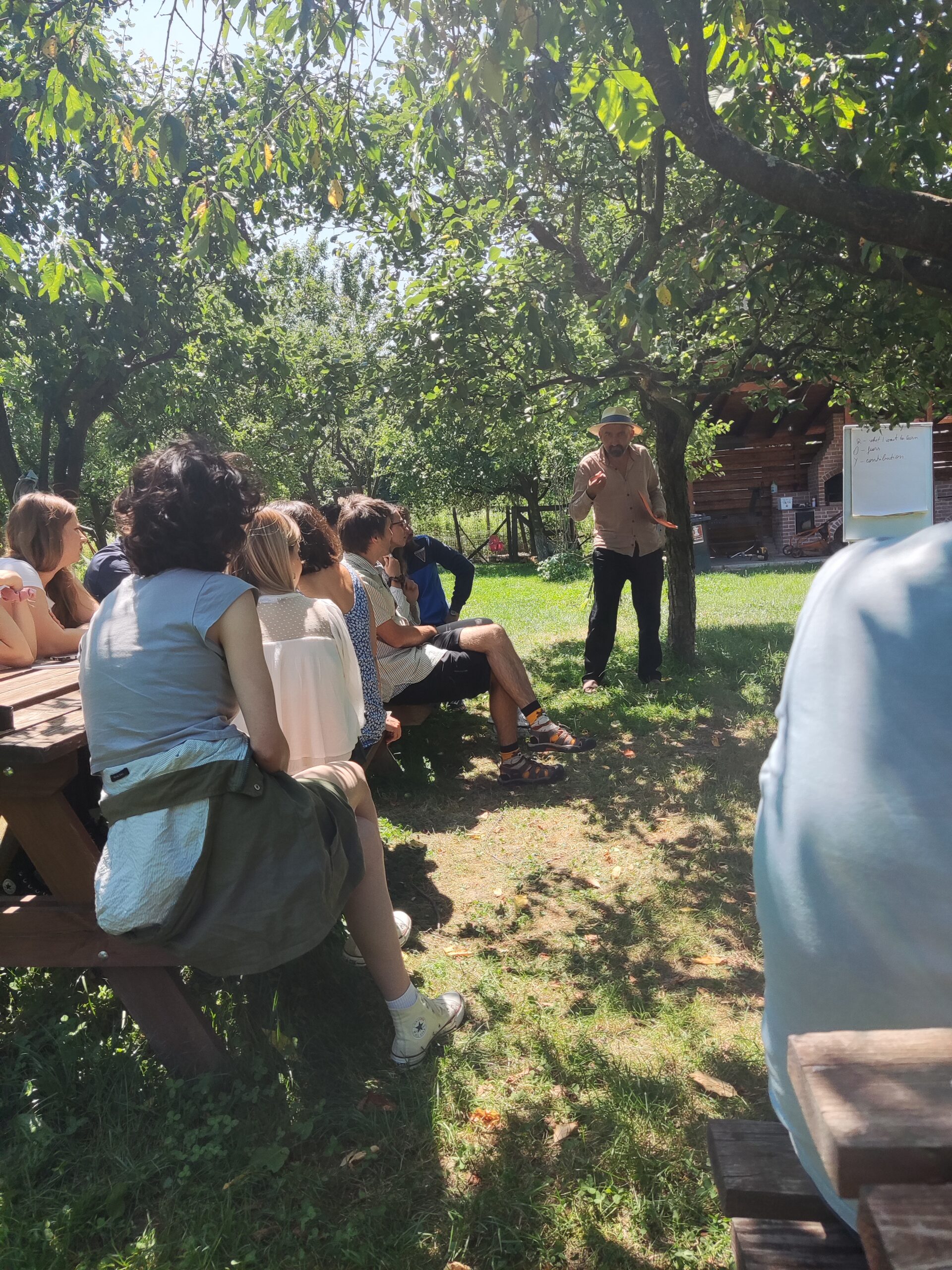
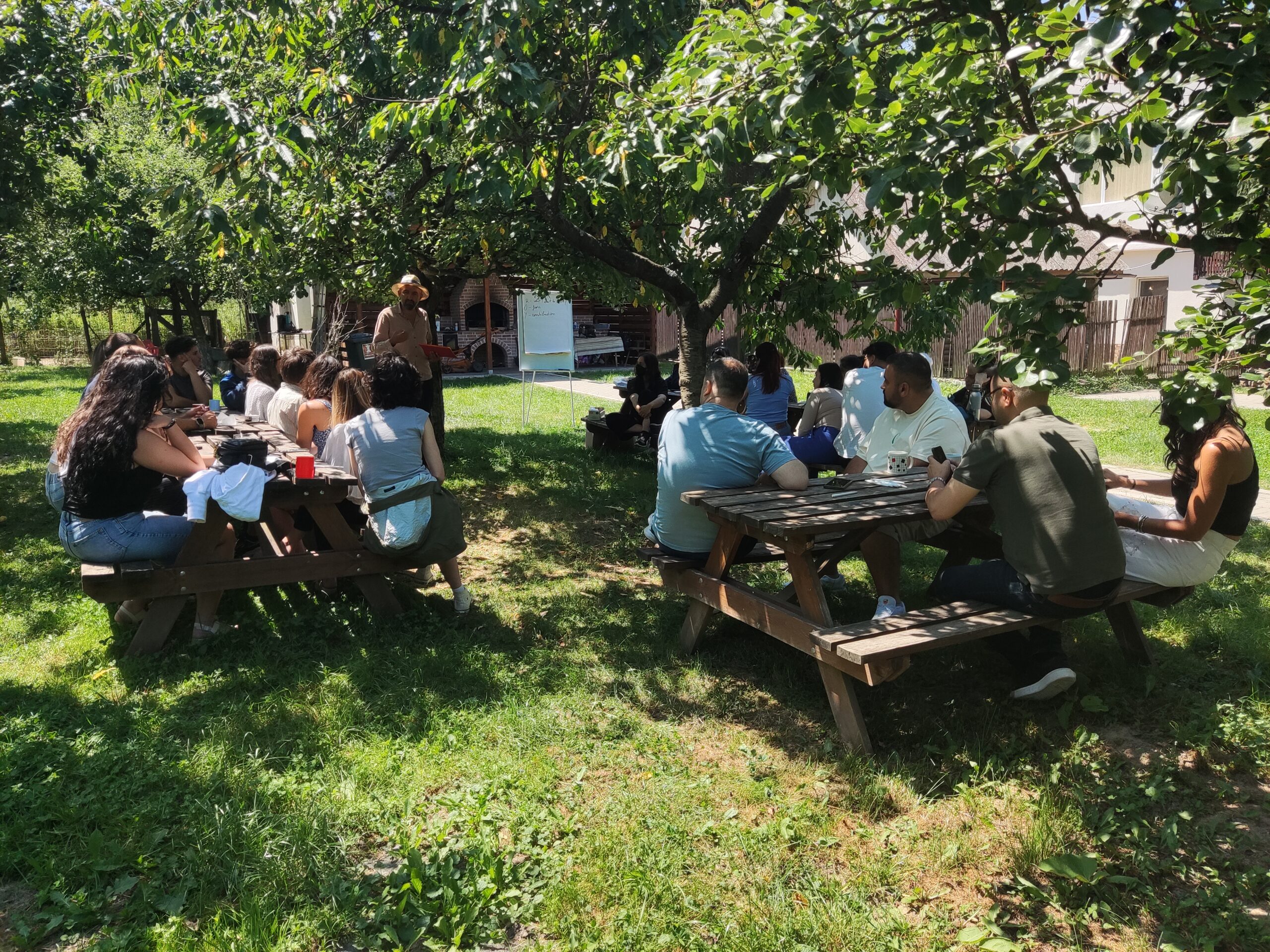
The first international training course held in Brebu, Romania (14–19 June 2025) brings together youth workers from all partner countries with the aim of strengthening their competencies in promoting inclusion, addressing discrimination, and supporting the mental well-being of young Roma, refugees, and migrants. Through a structured program combining non-formal education, experiential learning, thematic workshops, simulations, and reflective practice, participants explore concepts such as antigypsyism, intersectionality, and the impact of exclusion on mental health, while also engaging with the project’s upcoming Toolkit and digital Mental Health App. The learning outcomes include increased confidence in applying inclusive methodologies, improved understanding of mental health challenges faced by vulnerable youth, enhanced capacity to recognize and respond ethically to signs of distress, and greater readiness to integrate digital tools into youth work. The course fosters intercultural exchange, peer learning, and practical action planning, equipping participants with concrete skills and approaches to implement in their home organizations.
Read more...
TC of Youth Workers on wellbeing in Serbia
July
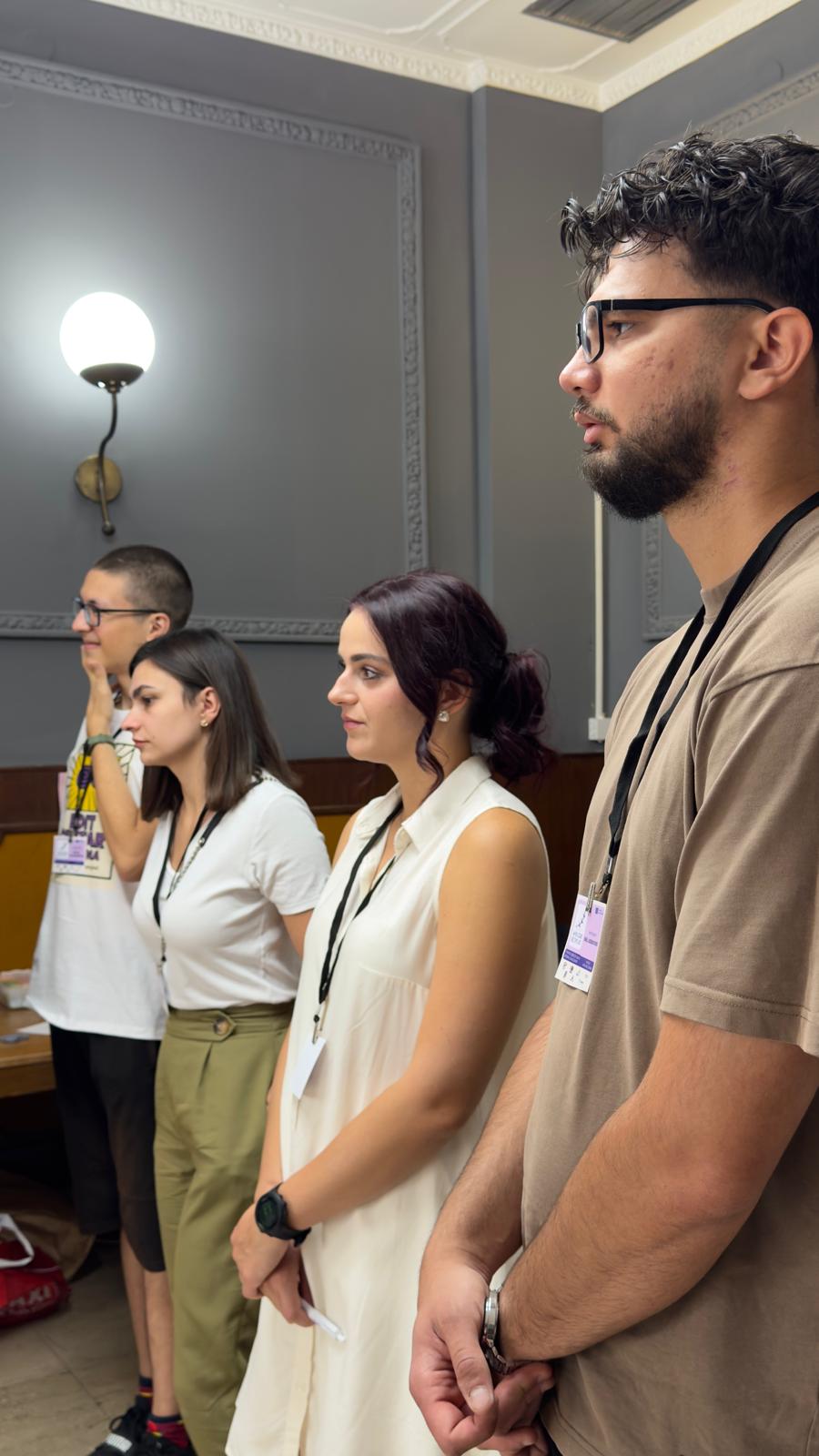
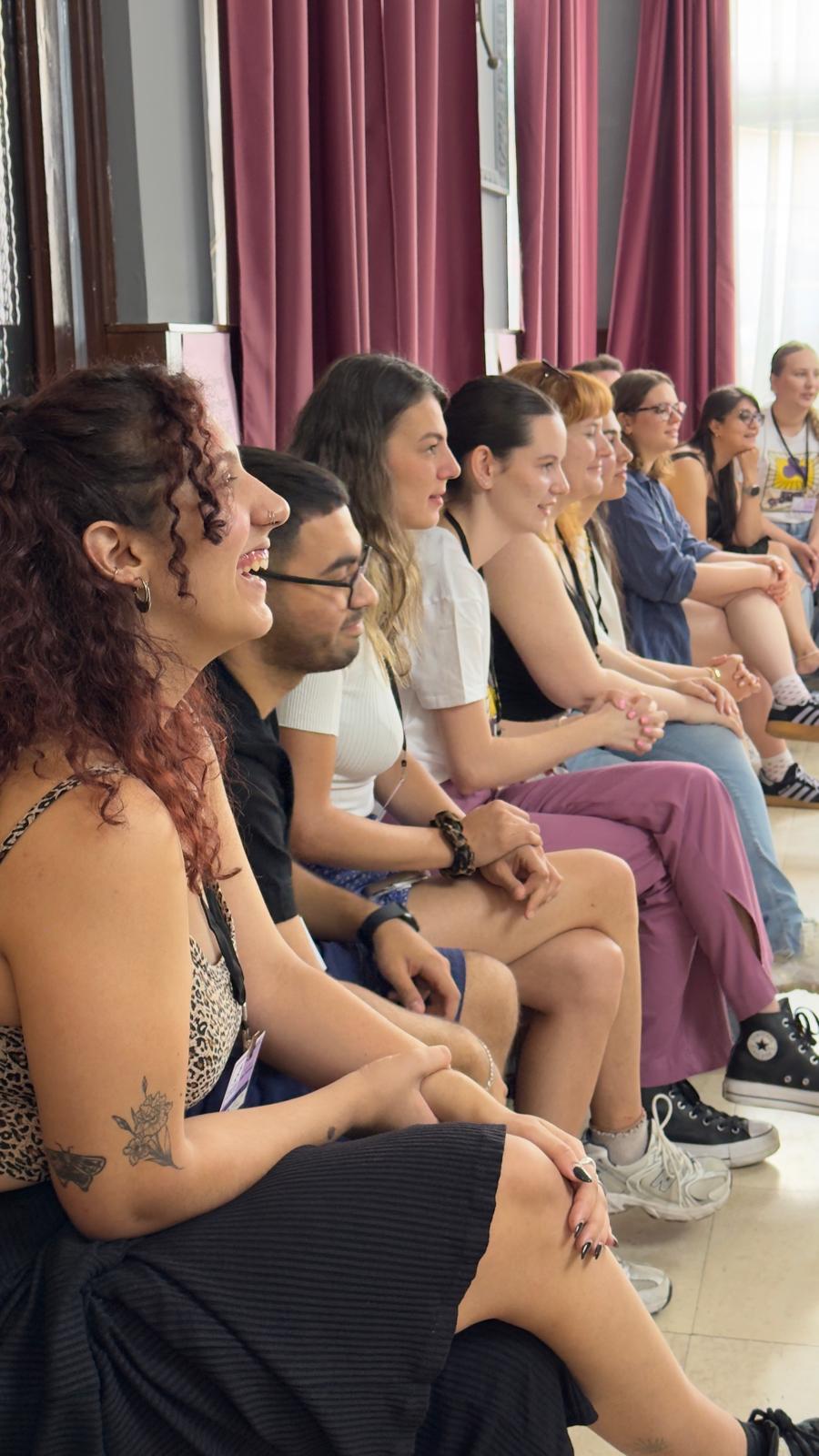
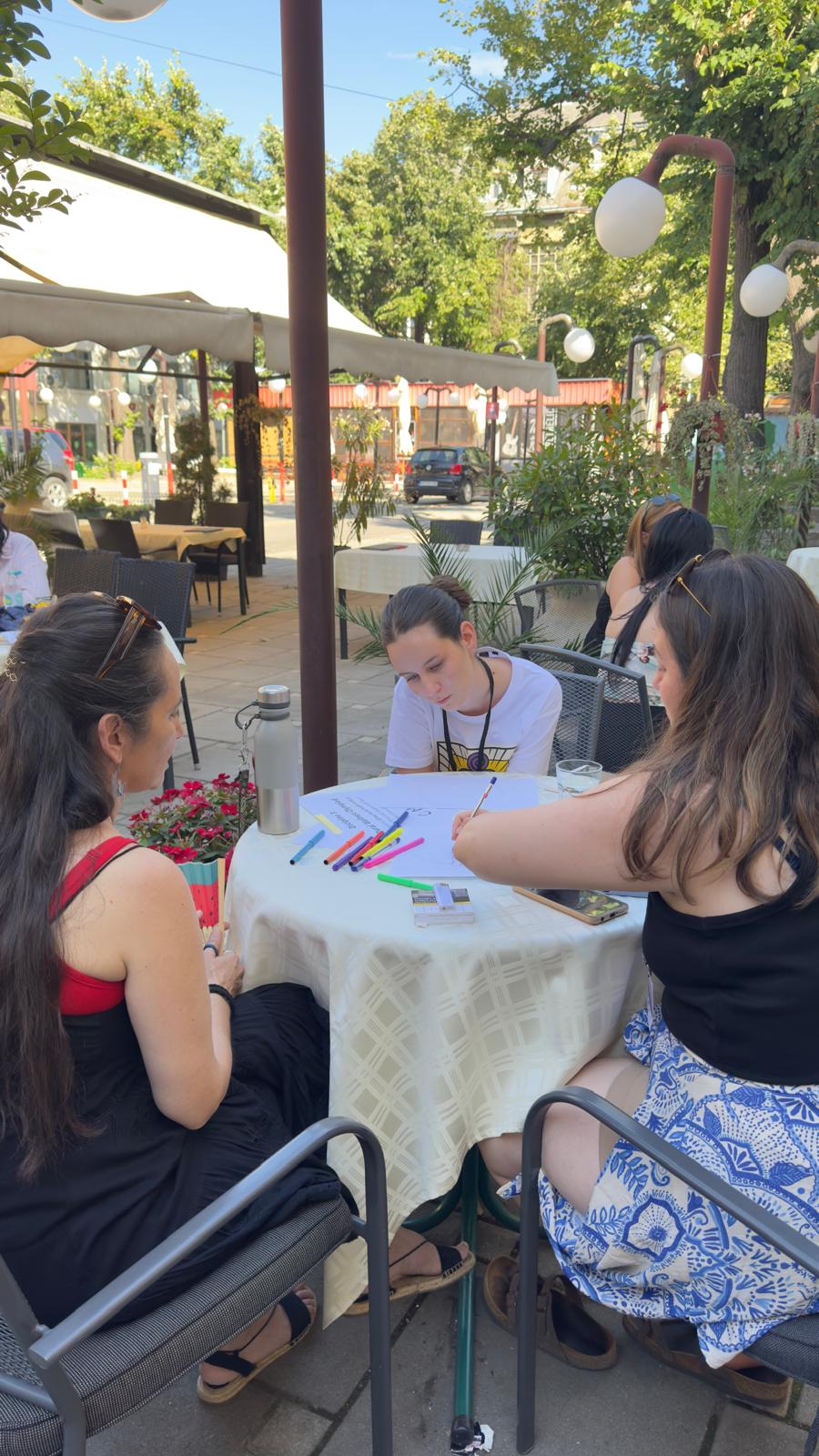
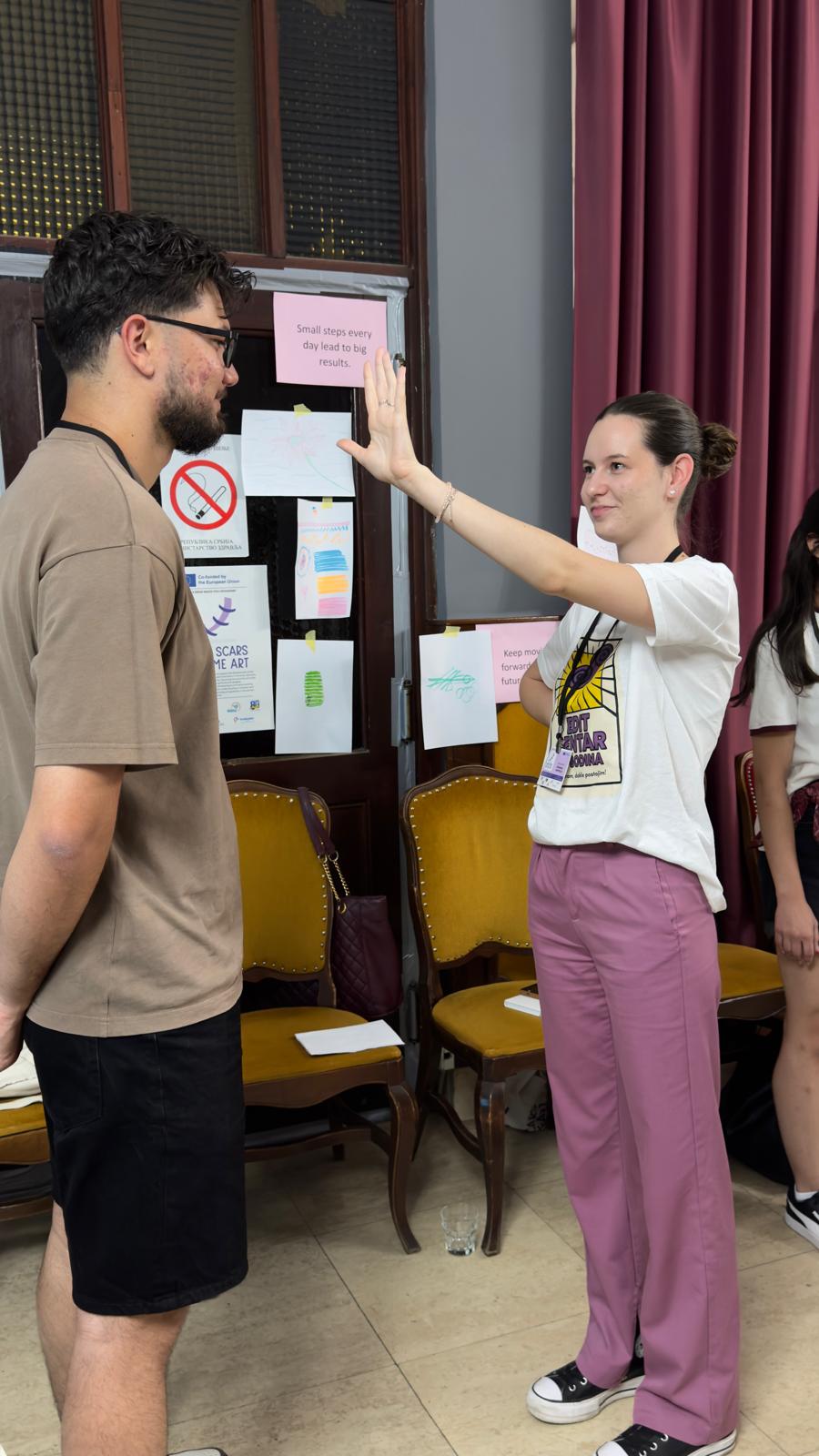
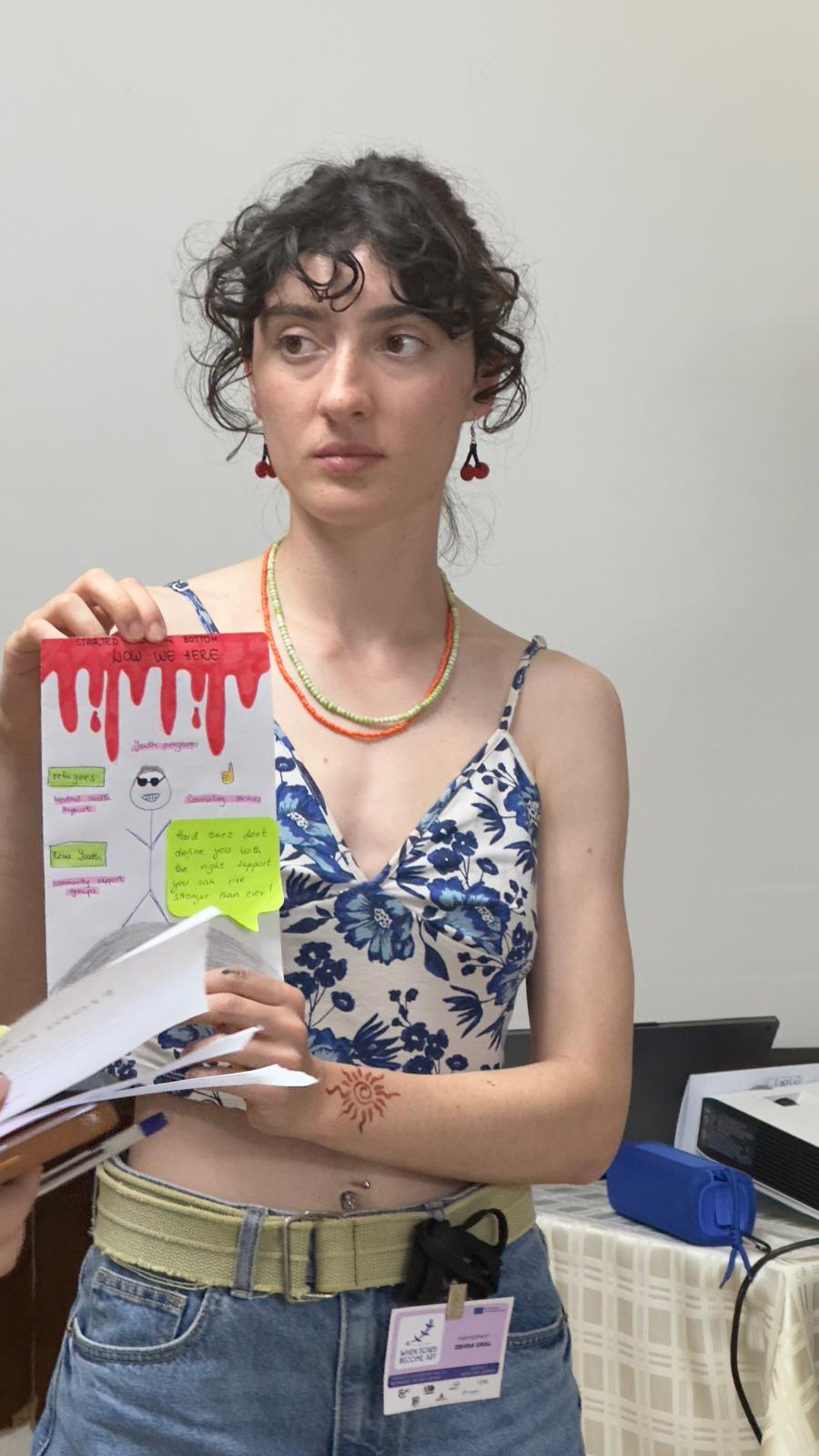
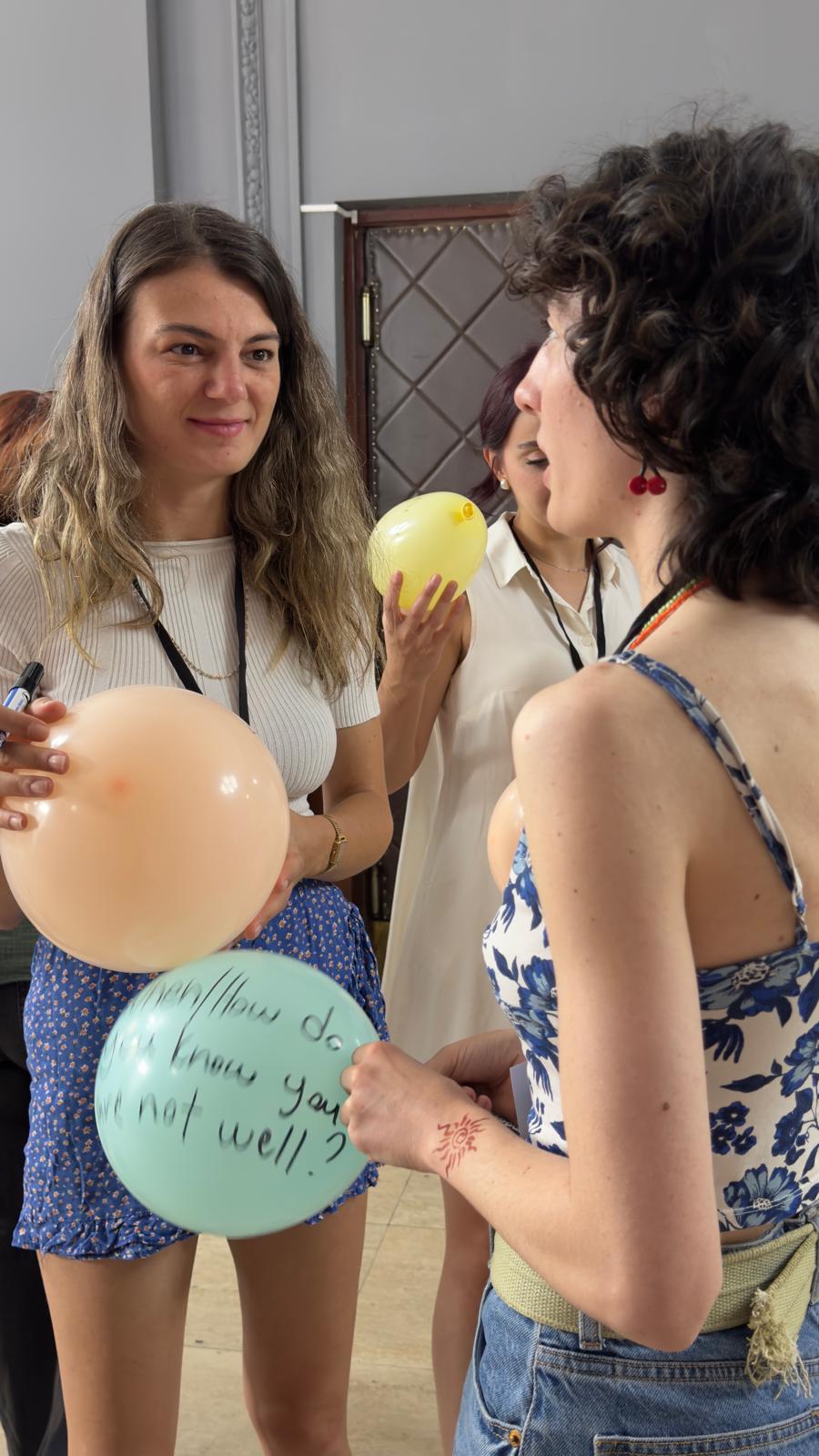
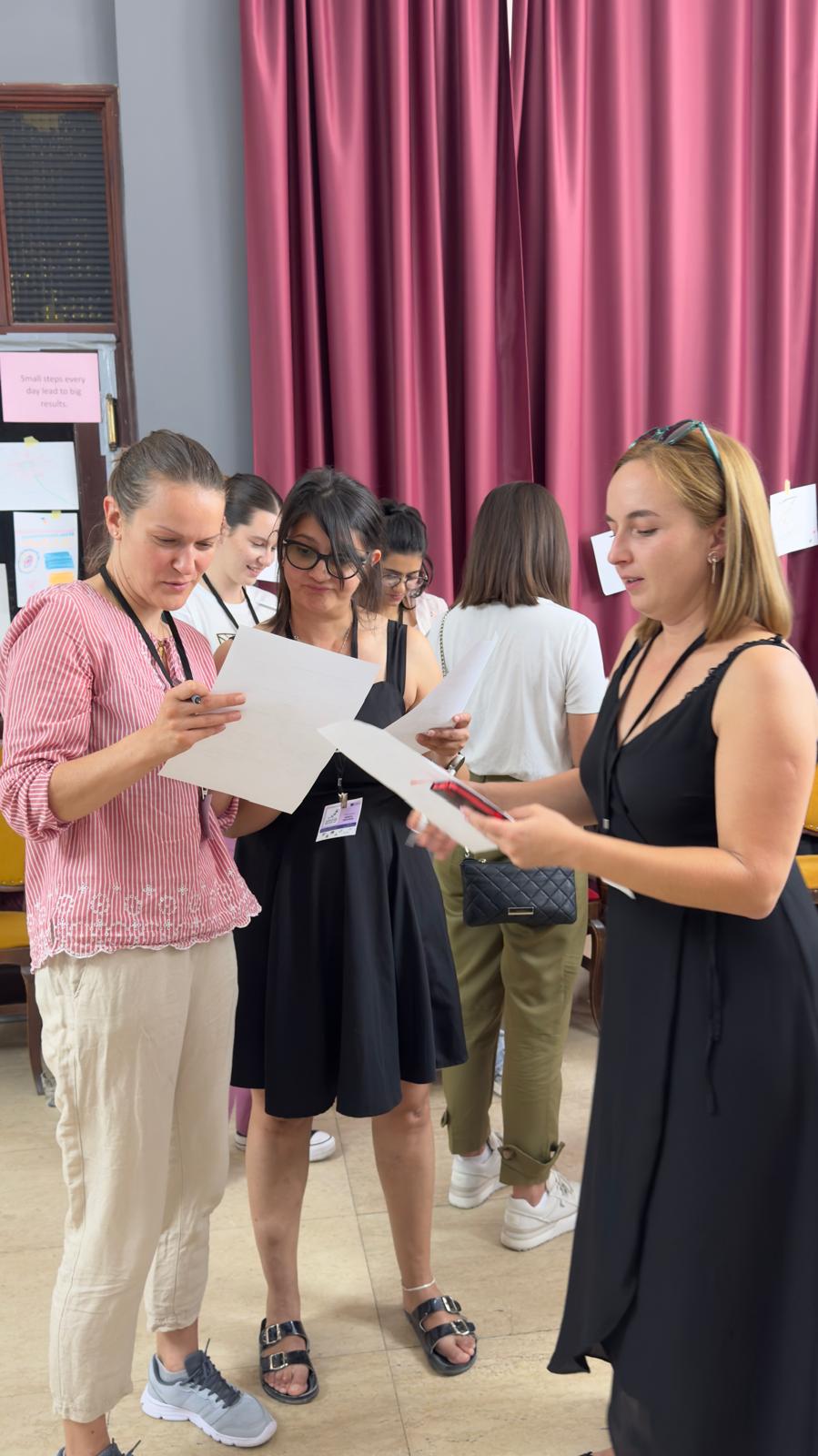
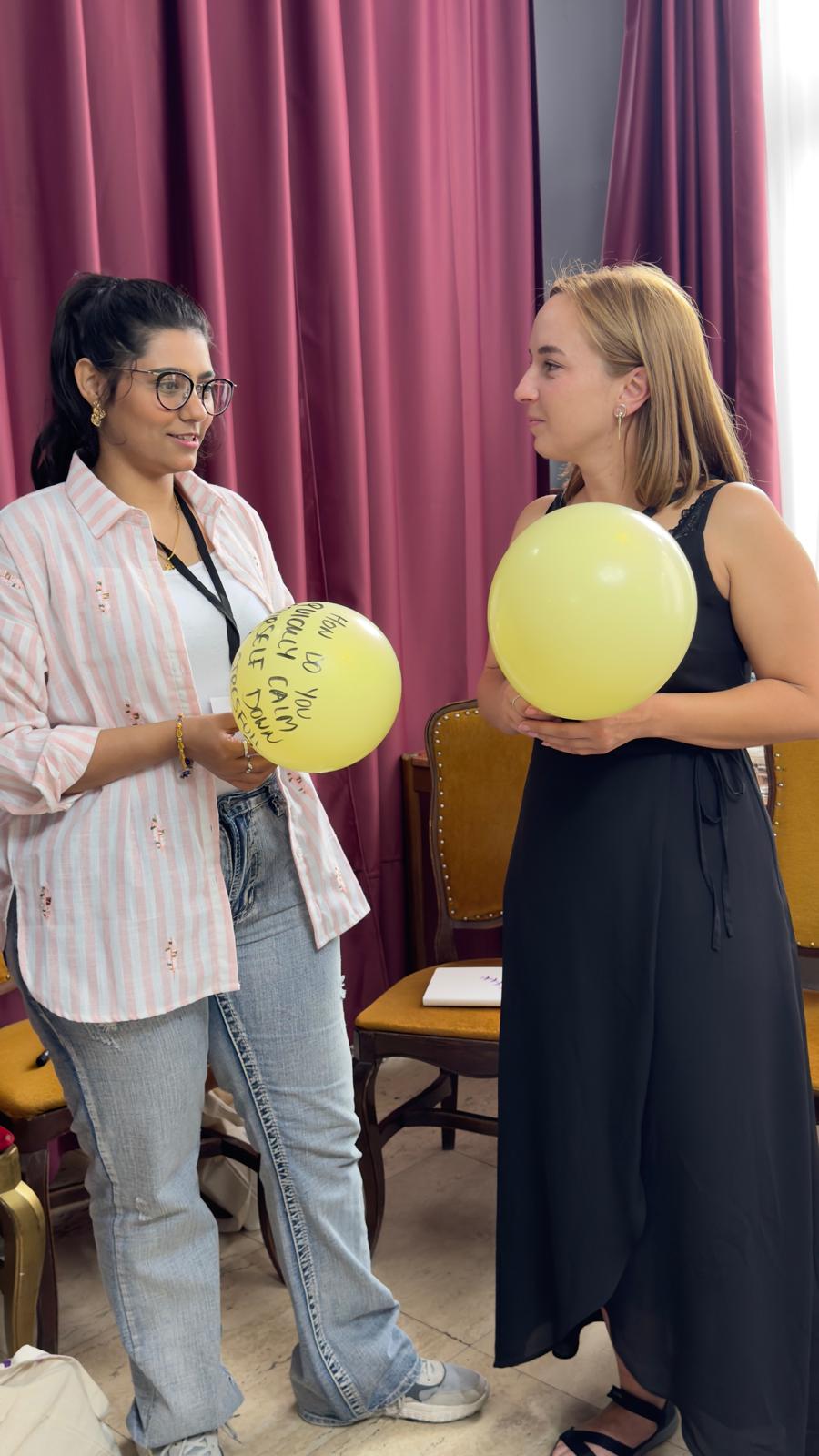
The second international training course held in Novi Sad, Serbia (14-19 July) brings together youth workers from all partner countries to deepen their competencies in supporting the mental health, resilience, and emotional wellbeing of young Roma, migrants, and refugees. Through non-formal education, practical workshops, group work, and reflective activities, participants explore key topics such as stress and regulation, burnout prevention, self-esteem, inclusive communication, and youth-centered approaches. Field visits to local youth organizations provide real-life examples of effective support practices, while collaborative sessions allow teams to contribute to the development of the project’s Toolkit and Mental Health App. The training strengthens participants’ practical skills, enhances their understanding of youth mental health needs, and equips them with concrete methods and tools to apply within their communities and organizations.
External Expert Review of the Research Reports
June - September
In this phase, an external expert conducts a specialized sensitivity and bias review of all research reports and project materials. The review examines the content through an antigypsyism lens to ensure that no harmful stereotypes, biased assumptions, or problematic narratives are reproduced. The expert assesses the language, tone, and framing of the reports, making sure they are respectful, accurate, and aligned with human-rights-based and anti-discrimination standards. This process strengthens the quality and integrity of the project’s outputs and ensures that all materials reflect a sensitive, inclusive, and ethically responsible approach toward Roma communities.
National Expert panels
May - October
🇷🇴 Romania: Nevo Parudimos Association
The National Expert Panel in Romania takes place on May 22, 2025, in Bucharest, bringing together 25 participants, including representatives of Roma civil society, youth organizations, mental health professionals, and other relevant stakeholders working with vulnerable young people such as refugees and migrants. The central aim of the meeting is to validate the national research findings on the relationship between social inclusion and mental well-being, and to identify key needs and systemic gaps currently affecting young Roma, refugees, and migrants.
Participants review national data on access to mental health services, discrimination, and institutional shortcomings. Through focused discussions, the panel collects expert input for the development of national policy recommendations. This expert input is crucial for formulating evidence-based measures that are aligned with the project’s objectives to strengthen social inclusion, improve service accessibility, and enhance cross-sectoral cooperation among institutions and civil society organizations. The resulting recommendations serve as a foundational contribution to the project’s future advocacy work.
🇬🇷 Greece: United Societies of Balkans
The National Expert Panel in Greece, organized by the United Societies of Balkans (USB), takes place on June 26, 2025, at the Municipality of Ampelokipoi-Menemeni. The event aims to strengthen civil-society organizations and public institutions working with Roma, refugees, and migrants, focusing on mental wellbeing and social inclusion. The panel brings together a multidisciplinary group of professionals, including mental health practitioners, municipal staff, and Roma mediators, providing a holistic perspective on the challenges faced by marginalized youth.
The session begins with an introduction to the project and its upcoming deliverables, such as the educational Toolkit and the digital mental-wellbeing application. USB then presents the preliminary research findings from the Greek national study, highlighting high levels of discrimination, persistent barriers in accessing mental health services, and the crucial need for mediators and culturally competent professionals. Discussions explore five key areas, including the need for continuous training and support for professionals, strategies for community collaboration and trust, and the development of anti-stigma initiatives. The event explicitly adopts an intersectional framework, and participant contributions from the open dialogue will be integrated into the project's national and European-level policy recommendations.
🇲🇰 North Macedonia: Rroma
The National Expert Panel in North Macedonia takes place on September 3, 2025, at MladiHub Skopje. The event, organized by RROMA, gathers a diverse group of stakeholders, including representatives from UNHCR, Public Municipal Centers for Social Work (JUMCSR), the Ministry of Labour and Social Policy (MLSP), legal associations, psychologists, youth activists, and youth workers.
The meeting opens with a welcoming address and a brief description of the project by Urmeta Arifovska, Deputy Director of RROMA. The national expert, Deniz Selmani, delivers the presentation of the findings from the national research, key results, and recommendations. The event then proceeds with World Café working groups, moderated by RROMA staff, where thematic discussions take place in small groups, resulting in recorded ideas and recommendations from each table.
The expert panel's plenary session formulates recommendations divided into four thematic areas: Education and Youth Participation, Mental Health and Social Support, Anti-Discrimination and Inclusion, and Institutional Cooperation and Policies.
The panel assesses that a large portion of the recommendations can be partially realized, but a risk exists that they may remain on paper unless political will and practical implementation are ensured. Successful application requires an integrated and long-term strategy, multi-sectoral cooperation, active participation of youth and target groups, provision of resources, and continuous monitoring of results.
🇹🇷 Turkiye: Kargenc Club
The National Panel organized within the scope of the “When Scars Become Art” project takes place on September 25, 2025, at the Sakarya University Diaspora Center. A total of 25 participants, including academics, civil society representatives, mental health professionals, and youth workers, attend the panel. The event is organized with the aim of focusing on the inclusiveness and mental health of Roma, refugee, and migrant youth, as well as developing policy recommendations in this field.
The panel starts with a Welcome Coffee, followed by opening speeches delivered by the Project Coordinator and representatives from Sakarya University and the Diaspora Center. A student from Sakarya University introduces their TÜBİTAK project. A general presentation of the "When Scars Become Art" project is delivered, followed by a presentation of the research findings on the mental health of Roma, refugee, and migrant youth. The innovative tools developed within the project, namely the Mobile Application and the Toolkit, are introduced to the participants. The panel session entitled “Youth, Mental Health, and Artistic Expressions” allows participants to discuss the topic from multidisciplinary perspectives.
In the final part of the panel, a Question & Answer session and an Open Discussion are conducted, during which participants share their views and contributions. During the closing session, three different working groups are formed among the participants in order to collect solution-oriented recommendations addressing the identified challenges. The responses and proposals presented by the working groups are recorded as the main Policy Recommendations.
🇩🇪 Germany: Amaro Foro e.V.
The Expert Panel, titled "Shaping the Future: Towards an Inclusive Youth Policy in Germany," takes place on October 16, 2025, in Halle (Saale). Organized by Amaro Foro e.V., the panel is a key event of the “When Scars (!) Become Art” Erasmus+ project, which addresses the link between inclusion, discrimination, and the psychological well-being of young people. The event opens with welcoming remarks and a general overview of the project's aims, including its upcoming tools like the app and toolkit. The main session features the presentation of the German research results, which highlights central findings on discrimination, social inclusion, and mental health among young people. This is followed by a Fishbowl Discussion, which provides a dynamic platform for experts and participants to exchange views on the implications of the research findings, particularly concerning structural support and participation.
The crucial afternoon sessions are dedicated to collaborative work in thematic Working Groups, resulting in concrete Political Action Recommendations. These recommendations place a strong emphasis on the local political level, arguing that this is where policies are implemented and where trust in institutions is built. Key inputs from the groups stress the necessity of structural support for youth self-organization and participation. Furthermore, the experts advocate for mandatory trainings on diversity, anti-discrimination, and anti-racism for all state workers, and they call for accessible, culturally sensitive, and multilingual services (especially mental health support) to ensure all marginalized young people are fully included. The outcomes and priorities identified by the panel are compiled to directly inform the project's final policy recommendations.
Integration of External Feedback and Finalization of the Reports
October - December
In this phase, the project team integrates the recommendations provided through the external antigypsyism sensitivity review and finalizes the joint research report. Partners revise the language, framing, and analysis to ensure accuracy, inclusiveness, and ethical alignment with anti-discrimination standards. This process strengthens the clarity and accessibility of the report and ensures that it reflects both the research findings and the expert feedback. By the end of this phase, the final research report is completed and ready to inform the development of the project’s toolkit, app, and policy recommendations.
International Expert Panel
November
The International Conference RePol 2025, titled "From research to policy: wellbeing and social integration of persons in vulnerable groups. Focus on young Roma, migrants and refugees," takes place on November 7, 2025, in Timișoara, Romania. The conference, organized by the West University of Timişoara, is a major dissemination and policy event held within the framework of the "When Scars (!) Become Art" project. The primary goal of the conference is to translate the project's extensive research findings into concrete policy recommendations, ensuring the project's evidence base reaches national and European decision-makers.
The day-long program features several parallel sessions and an International Expert Panel. Following the registration and opening session, the conference moves into structured sessions designed to showcase various research papers and best practices related to the social integration and mental well-being of vulnerable youth. The afternoon culminates in a crucial International Expert Panel for Policy Recommendations, where key experts discuss and validate the project's final advocacy measures. The conference concludes with closing remarks and a final session that formally reinforces the commitment to continue the work initiated during the event.